

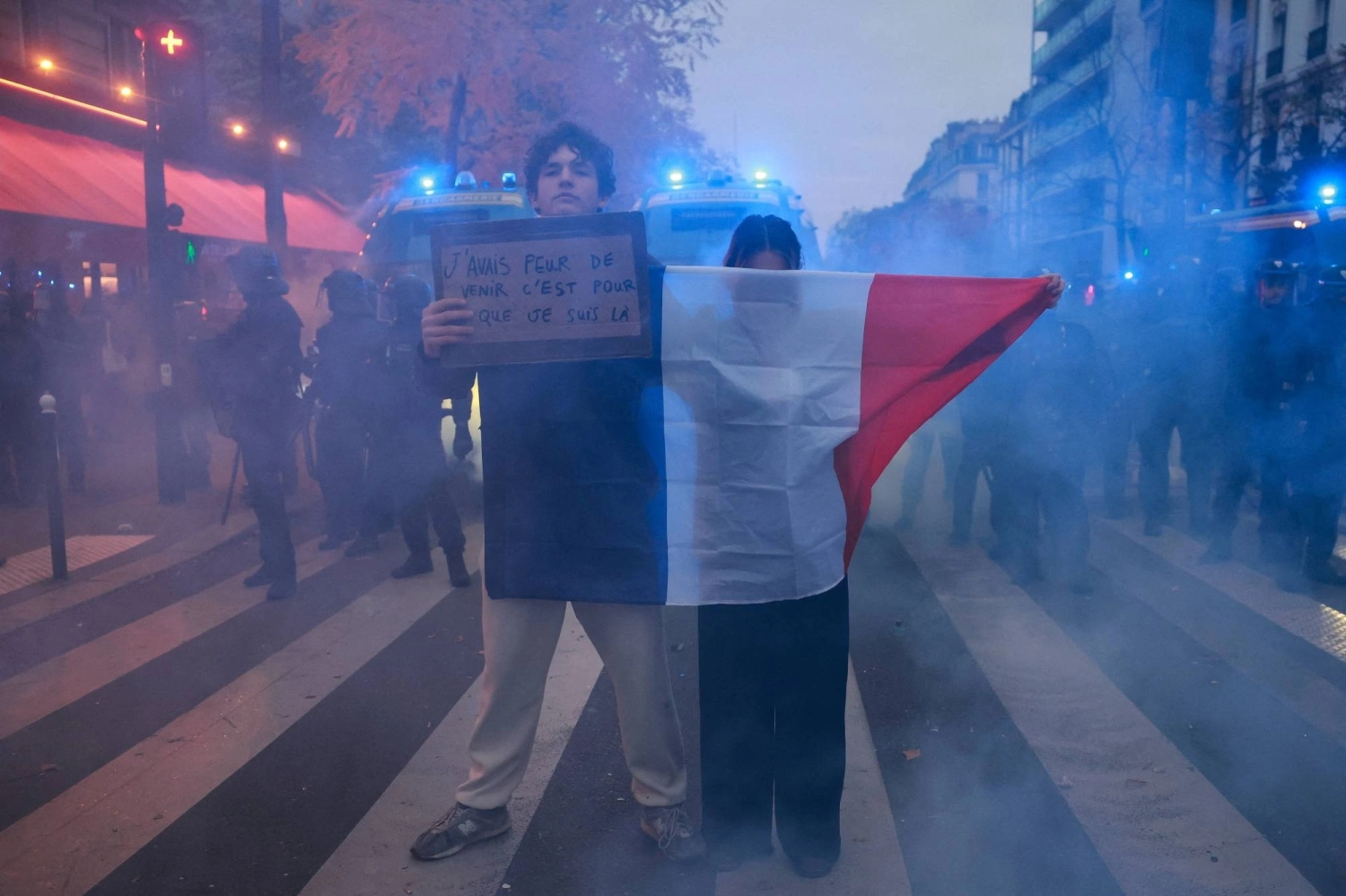
French students and teachers are preparing for another nationwide day of strikes and demonstrations as tensions over education reforms continue to escalate, with negotiations between student representatives and the government failing to produce an agreement.
Student organisations and teachers’ unions have called for fresh protests on Tuesday, November 10, demanding greater investment in education, improved school facilities, more university places and fundamental changes to France’s university admissions system.
Demonstrations are planned in several major French cities, with a major march scheduled in Paris. Protesters are expected to gather at the Panthéon at 2pm before marching towards Place d’Italie.
The latest mobilisation comes amid growing frustration over the government’s response to a student-led protest movement that began in September and has since spread across secondary schools and universities.
At the centre of the dispute is Parcoursup, France’s national university admissions platform, which student organisations have criticised for limiting access to higher education through a selective admissions process. Several student unions are demanding its abolition, arguing that university admission should not be determined by a system they consider socially unfair.
The government has announced plans to revise Parcoursup from 2027 and replace the platform by 2028. However, student representatives say the proposed changes do not go far enough and want immediate action to expand university places and improve access to higher education.
Tensions intensified during a recent meeting of a committee established to discuss reforms to Parcoursup. Several student and education organisations walked out after objecting to the participation of representatives from right-wing and far-right political groups, as well as employers’ organisations.
Manon Moret, general secretary of the National Union of Students (Unef), criticised the presence of far-right representatives, while other student leaders argued that young people should have a greater say in decisions affecting their educational future.
The government has also faced criticism over education funding, teacher shortages, overcrowded classrooms and deteriorating school infrastructure.
Education Minister Édouard Geffray announced that students who missed lessons because of the demonstrations could receive additional classes during the February and Easter school holidays. However, teachers’ representatives questioned whether sufficient staff would be available to deliver the proposed catch-up programmes.
The government has previously announced a package of measures, including plans to recruit additional teachers, reduce class sizes, invest in university infrastructure and gradually replace Parcoursup. It has also pledged €4 billion in low-interest loans for school infrastructure projects and €1 billion for university investment by 2029.
Despite these commitments, student organisations and education unions maintain that the proposals lack sufficient funding and do not address their fundamental concerns.
The latest demonstrations also follow a nationwide strike on November 5, when education workers and other public-sector employees joined protests over wages, working conditions and public services. According to the French Education Ministry, nearly 16 per cent of teachers participated in the November 5 strike.
The continuing demonstrations have placed additional pressure on Prime Minister Sébastien Lecornu’s government, which is facing growing demands to resolve the education crisis through meaningful negotiations.
Related: NASA Challenges Students to Design a Moon Base
With student organisations refusing to abandon their demands and education unions calling for sustained mobilisation, the dispute threatens further disruption to schools and universities across France.
