
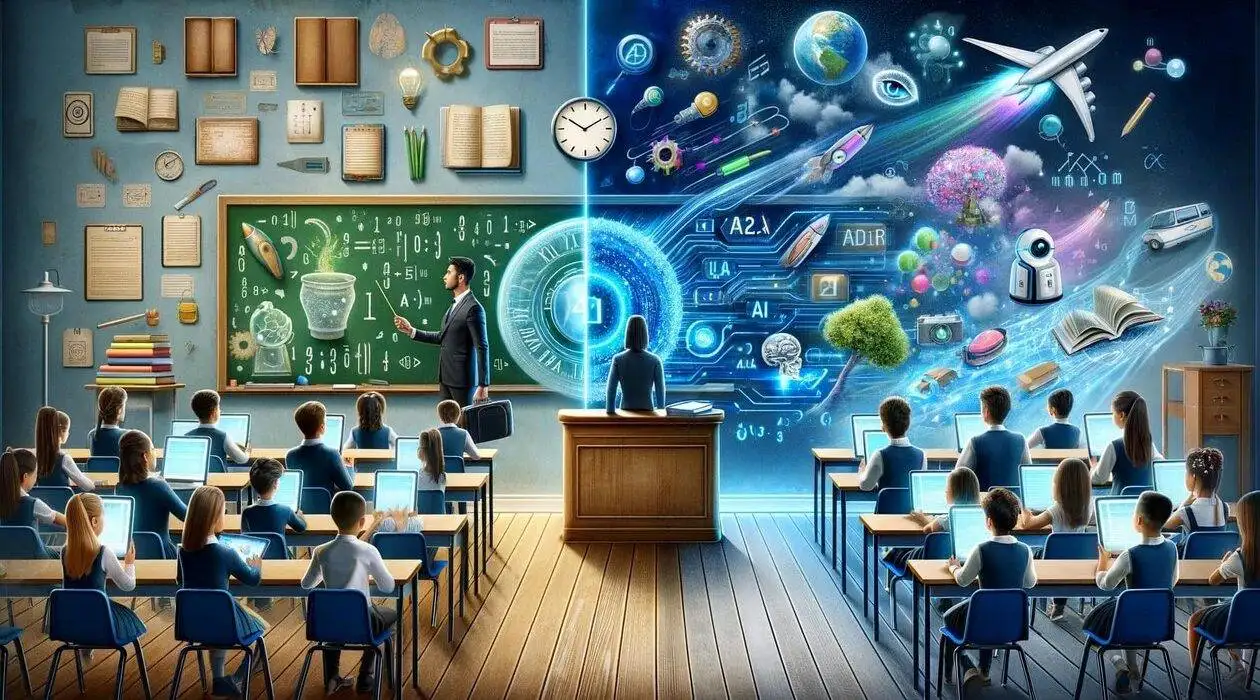
The rapid growth of artificial intelligence (AI) has sparked significant change across multiple industries, and education is one of the most profoundly impacted sectors. Today, educators, learners, and institutions are discovering the many benefits of AI in the education field, from personalized learning experiences to more efficient administrative systems. These advancements are reshaping classrooms, increasing access, and improving learning outcomes in ways that were previously unimaginable. In this article, we will explore the 10 major benefits of AI in the education field, providing insight into how this technology is transforming modern learning environments.
1. Personalized Learning for Every Student
One of the most well-known benefits of AI in the education field is its ability to support personalized learning. AI-powered platforms analyze student performance, learning pace, and preferences to deliver tailored lessons that meet individual needs. This also ensures that struggling learners receive more targeted support while advanced students can progress more quickly, maximizing efficiency and engagement.
2. Automated Administrative Tasks
Teachers and administrators often spend hours grading assignments, scheduling, and organizing records. Among the key benefits of AI in the education field is its capability to automate these repetitive tasks. AI tools can grade quizzes, manage attendance, sort paperwork, and streamline administrative operations, giving educators more time to focus on instruction and student support.
3. Intelligent Tutoring Systems
AI-based tutoring systems provide students with on-demand academic assistance. These systems can also explain concepts, offer practice questions, and guide learners step-by-step through complex topics. This is one of the most impactful benefits of AI in the education field, especially for students who need additional help outside of classroom hours. Intelligent tutors mimic one-on-one human guidance, making learning more accessible and self-paced.
4. Improved Accessibility for Students With Disabilities
Enhancing accessibility is another crucial aspect when discussing the benefits of AI in the education field. AI tools can generate captions, convert speech to text, offer text-to-speech features, and provide adaptive interfaces for visually or hearing-impaired students. This also creates more inclusive classrooms and ensures that all learners regardless of ability can access educational resources equitably.
5. Enhanced Student Engagement
AI-driven learning applications also use gamification, interactive simulations, and personalized challenges to keep learners motivated. These features significantly boost engagement and retention. Increased participation and enjoyment of learning activities are among the major benefits of AI in the education field, making study sessions more dynamic and less monotonous.
6. Data-Driven Insights for Better Decision-Making
Educational institutions generate massive amounts of data that can be difficult to interpret manually. AI analyzes this data to identify patterns, predict student performance, and highlight areas where intervention may be needed. This is one of the transformative benefits of AI in the education field, helping educators make informed decisions that improve learning outcomes and institutional planning.
7. Streamlined Content Creation
Creating lesson plans, worksheets, and assessments can be time-consuming. AI tools can generate educational content in seconds, tailored to curriculum standards and learner needs. This is one of the fastest-growing benefits of AI in the education field, allowing teachers to focus more on hands-on instruction and meaningful interactions with students.
8. Intelligent Classroom Management
AI-powered classroom management systems help monitor student behavior, track engagement, and ensure smooth instructional flow. These tools also assist teachers in maintaining productive learning environments. As more schools adopt smart classroom solutions, the benefits of AI in the education field continue to expand, enhancing both teaching efficiency and student discipline.
9. Global Learning Opportunities
Through AI-powered language translation, virtual tutoring, and digital learning platforms, students can connect with global educational resources. Access to worldwide knowledge and international collaboration represents one of the most exciting benefits of AI in the education field. Learners can also communicate across languages, participate in global classrooms, and gain exposure to diverse perspectives.
10. Preparing Students for the Future
Understanding and using AI prepares students for future careers. As AI becomes more integrated across industries, students with early exposure to these tools gain valuable digital skills. This educational transition is one of the strategic benefits of AI in the education field, equipping the next generation to thrive in an AI-driven world.
Other than Benefits of AI in the Education Field, you can also explore Best AI Courses to Learn in 2026
Thus, the benefits of AI in the education field extend far beyond simple automation. AI is reshaping learning by making it more personalized, accessible, efficient, and globally connected. From intelligent tutoring to enhanced engagement and improved decision-making, AI continues to transform how students learn and how educators teach. As technology advances, the benefits of AI in the education field will only become more significant, helping create innovative, inclusive, and future-ready educational systems.
Frequently Asked Questions (FAQs)
1. How is AI used in classrooms today?
AI is used in classrooms for personalized learning, automated grading, virtual tutoring, accessibility support, and interactive educational content.
2. What are the biggest benefits of AI in the education field?
The biggest benefits of AI in the education field include personalized instruction, automation of administrative tasks, improved engagement, intelligent tutoring, and enhanced accessibility.
3. Will AI replace teachers in the future?
No. AI is designed to support, not replace, teachers. While AI handles repetitive tasks and provides data-driven insights, human educators remain essential for emotional guidance, creativity, and critical thinking development.