

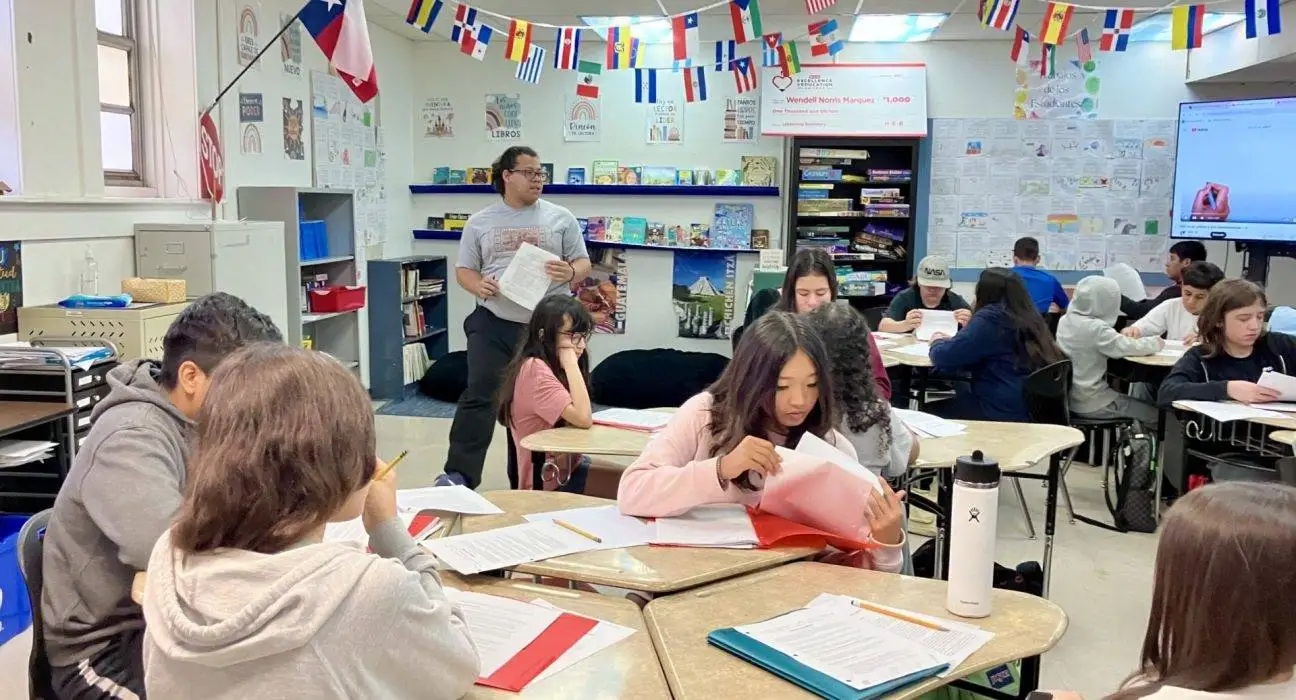
In an increasingly interconnected world, education systems are evolving to prepare children for global citizenship. One of the most impactful approaches is bilingual education, especially when introduced at a young age. The benefits of bilingual education programs in early grades extend far beyond language acquisition, influencing cognitive growth, academic performance, cultural awareness, and future career readiness. Early childhood is a critical period for brain development, making it the ideal time to introduce more than one language in a structured, supportive environment. In this article, we will explore the benefits of bilingual education programs in early grades and explains why parents and educators are increasingly embracing this powerful educational model.
1. Enhanced Cognitive Development
One of the most researched benefits of bilingual education programs in early grades is improved cognitive flexibility. Young bilingual learners regularly switch between languages, which strengthens executive functions such as problem-solving, attention control, and memory. This mental workout also helps children process information more efficiently and adapt quickly to new tasks.
2. Improved Language and Literacy Skills
Contrary to common myths, learning two languages early does not confuse children. In fact, one of the key benefits of bilingual education programs in early grades is stronger language awareness. Students develop a deeper understanding of grammar, vocabulary, and sentence structure in both languages, often becoming better readers and writers overall.
3. Stronger Academic Performance
Studies consistently show that students enrolled in bilingual programs perform as well as or better than, their monolingual peers in core subjects. Among the long-term benefits of bilingual education programs in early grades is improved performance in math, science, and reading due to enhanced comprehension and critical thinking skills.
4. Better Problem-Solving Abilities
Bilingual children learn to approach challenges from multiple perspectives. This adaptability is one of the practical benefits of bilingual education programs in early grades, as it encourages creative thinking and analytical reasoning. These skills are valuable not only in school but throughout life.
5. Increased Cultural Awareness and Empathy
Language and culture are deeply connected. One of the social benefits of bilingual education programs in early grades is that children develop respect for different cultures and traditions. Early exposure fosters empathy, inclusivity, and open-mindedness, qualities essential in diverse societies.
6. Boosted Confidence and Communication Skills
Children who can also communicate in more than one language often feel more confident expressing themselves. Among the emotional benefits of bilingual education programs in early grades is increased self-esteem, as students feel proud of their ability to connect with a wider range of people.
7. Easier Acquisition of Additional Languages
Once a child learns two languages early on, learning a third or fourth becomes much easier. This is one of the long-term benefits of bilingual education programs in early grades, as it also builds a strong linguistic foundation and trains the brain to recognize language patterns quickly.
8. Long-Term Career Advantages
In a global job market, bilingualism is a highly valued skill. One of the future-focused benefits of bilingual education programs in early grades is increased employability. Early bilingual learners are also better prepared for careers in international business, education, healthcare, diplomacy, and technology.
9. Stronger Family and Community Connections
For children from multilingual households, bilingual education helps preserve heritage languages. Among the meaningful benefits of bilingual education programs in early grades is stronger communication with family members and deeper ties to cultural roots, promoting a sense of identity and belonging.
10. Positive Impact on Brain Health
Research also suggests that bilingualism contributes to long-term brain health. One of the lifelong benefits of bilingual education programs in early grades is also that bilingual individuals may experience delayed cognitive decline later in life, thanks to strengthened neural pathways developed early on.
Why Early Grades Matter Most?
The early years are when children’s brains are most receptive to language learning. This is why the benefits of bilingual education programs in early grades are far greater than programs introduced later. Pronunciation, fluency, and natural language use develop more easily when exposure begins in preschool or primary school. Educators also note that students in early bilingual programs tend to show higher motivation and curiosity about learning in general. These benefits of bilingual education programs in early grades create a positive academic trajectory that can last a lifetime.
Other than the benefits of bilingual education programs in early grades, you can also explore Benefits of Learning Foreign Languages in 2026
Thus, the evidence is clear that the benefits of bilingual education programs in early grades touch every aspect of a child’s development such as intellectual, social, emotional, and academic. By investing in bilingual education early, parents and schools also equip children with skills that extend far beyond the classroom. From enhanced brain function to global career readiness, the benefits of bilingual education programs in early grades make it one of the most valuable educational approaches in today’s world.
FAQs
1. Do bilingual education programs slow down a child’s learning?
No. Research shows that the benefits of bilingual education programs in early grades include equal or better academic progress compared to monolingual programs, especially in the long term.
2. At what age should bilingual education begin?
The earlier, the better. Most experts agree that preschool and early primary years maximize the benefits of bilingual education programs in early grades due to heightened brain plasticity.
3. Can bilingual education help children with learning difficulties?
Yes. Many studies suggest that the benefits of bilingual education programs in early grades include improved attention control and cognitive flexibility, which can support children with certain learning challenges.