

Microbiology is one of the most dynamic and impactful scientific disciplines, focusing on the study of microorganisms such as bacteria, viruses, fungi, and parasites. These tiny organisms play a massive role in health, environment, industry, and technology. In today’s science-driven world, understanding microbes is more important than ever. This makes the benefits of pursuing a degree in microbiology highly relevant for students who want a meaningful, future-ready career. In this article, we will explore the top ten benefits of pursuing a degree in microbiology and why it is a smart academic and professional choice.
1. Wide Range of Career Opportunities
One of the biggest benefits of pursuing a degree in microbiology is the diversity of career paths it offers. Graduates can work in healthcare, pharmaceuticals, food safety, agriculture, biotechnology, and environmental science. Roles include clinical microbiologist, laboratory analyst, quality control officer, and research scientist. Government bodies and global organizations like World Health Organization and Centers for Disease Control and Prevention also employ microbiology professionals, highlighting the field’s global relevance.
2. High Demand in Healthcare and Research
The increasing focus on disease prevention, diagnostics, and public health has raised the demand for microbiologists. One of the major benefits of pursuing a degree in microbiology is job stability, especially in healthcare laboratories and research institutes. From identifying pathogens to developing vaccines, microbiologists play a crucial role in saving lives and improving global health outcomes.
3. Contribution to Public Health and Society
Another key point among the benefits of pursuing a degree in microbiology is the opportunity to directly impact society. Microbiologists help control infectious diseases, ensure food and water safety, and support public health initiatives. Their work often influences health policies and emergency responses during outbreaks, making the profession socially meaningful and rewarding.
4. Strong Foundation for Higher Studies
For students planning advanced education, one of the long-term benefits of pursuing a degree in microbiology is its solid academic foundation. The degree also prepares students for master’s and doctoral programs in microbiology, biotechnology, immunology, and molecular biology. It is also an excellent stepping stone for medical, dental, and pharmaceutical studies.
5. Opportunities in Biotechnology and Innovation
Modern biotechnology heavily relies on microbiology. One of the most exciting benefits of pursuing a degree in microbiology is involvement in innovation such as genetic engineering, vaccine development, and antibiotic research. Microbiologists are at the forefront of developing sustainable solutions, including biofuels, biodegradable plastics, and eco-friendly industrial processes.
6. Competitive Salaries and Career Growth
While salaries depend on specialization and location, another important aspect of the benefits of pursuing a degree in microbiology is financial growth. Entry-level positions offer respectable pay, and with experience or advanced degrees, professionals can move into high-paying research, managerial, or academic roles. International demand further enhances earning potential.
7. Hands-On Laboratory Skills
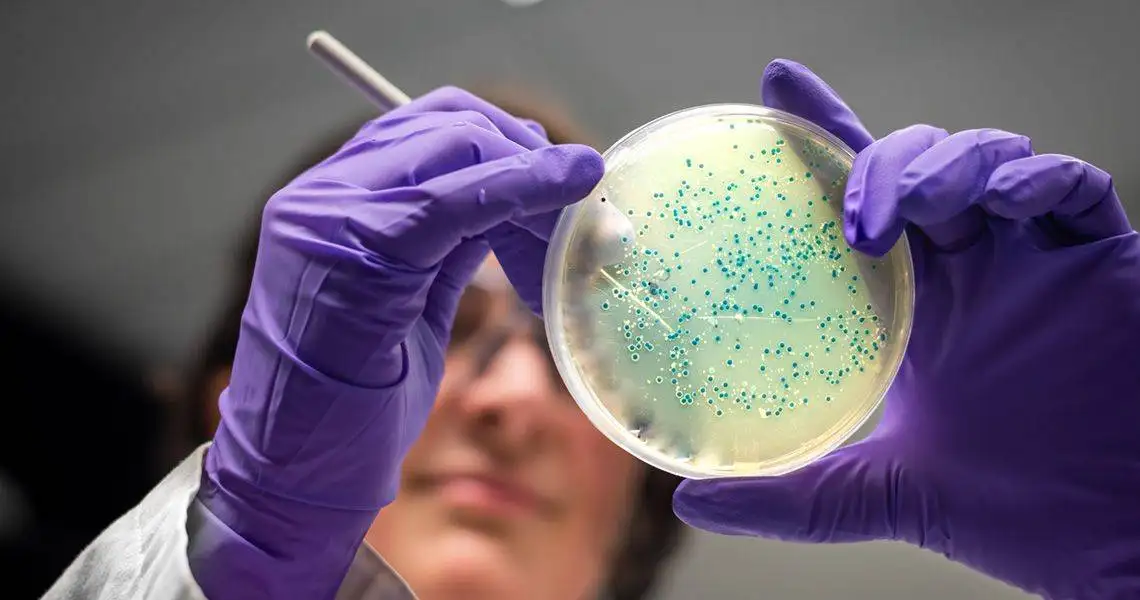
Among the practical benefits of pursuing a degree in microbiology is extensive laboratory training. Students gain hands-on experience in culturing microbes, conducting experiments, analyzing data, and using advanced laboratory equipment. These technical skills are highly transferable and valued across scientific and industrial sectors.
8. Global Career Opportunities
Microbiology is a globally recognized discipline. One of the international benefits of pursuing a degree in microbiology is the ability to work abroad in research labs, universities, healthcare institutions, and multinational companies. Microbial challenges are universal, which makes microbiologists relevant across borders and cultures.
9. Contribution to Environmental Sustainability
Microbiologists play a vital role in environmental protection. Another often-overlooked benefit among the benefits of pursuing a degree in microbiology is contributing to sustainability. Microbes are used in waste treatment, pollution control, composting, and bioremediation. This also allows professionals to work toward environmental conservation and climate-friendly solutions.
10. Intellectual Satisfaction and Lifelong Learning
One of the most personal benefits of pursuing a degree in microbiology is intellectual fulfillment. The field constantly evolves with new discoveries, technologies, and challenges. Microbiologists engage in continuous learning, problem-solving, and innovation, making the career both mentally stimulating and professionally satisfying.
Other than Benefits of Pursuing a Degree in Microbiology, you can also explore General knowledge questions about Microbiology
Hence, the benefits of pursuing a degree in microbiology extend far beyond traditional laboratory work. From healthcare and biotechnology to environmental protection and global research, this degree opens doors to diverse and impactful careers. With strong job demand, global relevance, and opportunities for innovation, the benefits of pursuing a degree in microbiology make it an excellent choice for students passionate about science and societal progress. Whether your goal is research, healthcare, or industry leadership, the benefits of pursuing a degree in microbiology ensure a future filled with purpose and growth.
FAQs
1. What skills are required to pursue a degree in microbiology?
Students should have a strong interest in biology, chemistry, and laboratory work. Analytical thinking, attention to detail, and curiosity are essential for maximizing the benefits of pursuing a degree in microbiology.
2. Is a microbiology degree suitable for medical or healthcare careers?
Yes, one of the major benefits of pursuing a degree in microbiology is that it provides an excellent foundation for careers in medicine, diagnostics, pharmaceuticals, and public health.
3. Can I work internationally with a microbiology degree?
Absolutely. One of the global benefits of pursuing a degree in microbiology is that the qualification is recognized worldwide, allowing graduates to work in international research, healthcare, and industrial roles.