
In a world shaped by rapid technological advancement, artificial intelligence, and constant digital interaction, education systems are being forced to rethink priorities. While science, technology, engineering, and mathematics continue to dominate discussions, educators and policymakers are increasingly recognizing the importance of art education in 2026. Art education is no longer viewed as an optional or secondary subject; instead, it has become a critical pillar for developing creative, emotionally intelligent, and adaptable individuals who can thrive in a complex global environment. In this article, we will explore the importance of Art education in 2026.
What is the Importance of Art Education?
To understand the importance of art education in 2026, it is essential to recognize how society has evolved. Automation and AI now handle many routine tasks, making creativity, originality, and human-centered thinking more valuable than ever. Art education nurtures these qualities by encouraging students to explore ideas, express emotions, and think beyond conventional boundaries. In 2026, the ability to imagine, design, and innovate is just as important as technical knowledge.
1. Art Education and Creativity in a Digital Age
One of the strongest arguments for the importance of art education in 2026 lies in its role in fostering creativity. Creativity is no longer limited to artists or designers; it is a core skill required in business, technology, marketing, education, and entrepreneurship. Art education also helps trains students to experiment, take risks, and approach problems from multiple perspectives. In a digital-first world, where content creation and visual communication dominate, students with artistic skills have a significant advantage.
2. Emotional Intelligence and Mental Well-Being
Another critical aspect of the importance of art education in 2026 is its impact on emotional intelligence and mental health. Modern learners face increased stress due to academic pressure, social media, and global uncertainty. Art provides a safe and constructive outlet for self-expression. Through drawing, painting, music, and performance, students learn to process emotions, build empathy, and develop self-awareness. These emotional skills are essential for personal well-being and healthy relationships in both personal and professional life.
3. Enhancing Critical Thinking and Problem-Solving
The importance of art education in 2026 also extends to cognitive development. Art education strengthens critical thinking by teaching students how to analyze, interpret, and evaluate ideas. When students create art, they must make decisions, solve problems, and reflect on outcomes. These skills transfer directly to other academic subjects and real-world situations. Employers in 2026 increasingly value individuals who can think critically, adapt quickly, and find innovative solutions such as qualities deeply rooted in art education.
4. Art Education and Career Readiness
Contrary to outdated beliefs, the importance of art education in 2026 is strongly linked to career readiness. The global job market now includes roles in digital design, animation, content creation, user experience, branding, gaming, and creative technology. Even traditional industries seek employees who can communicate visually and think creatively. Art education also equips students with transferable skills such as collaboration, presentation, adaptability, and creative confidence, making them more employable across diverse fields.
5. Supporting Cultural Awareness and Global Citizenship
In 2026, societies are more interconnected than ever. Another reason highlighting the importance of art education in 2026 is its ability to promote cultural awareness and global understanding. Art exposes students to different cultures, histories, and perspectives. By studying and creating art inspired by global traditions, learners develop respect for diversity and a deeper understanding of the world. This cultural literacy is also essential for responsible global citizenship in an increasingly multicultural society.
6. Integration of Art with Technology
The importance of art education in 2026 is also evident in its integration with technology. Digital art tools, virtual reality, animation software, and interactive media have transformed how art is created and consumed. Art education also helps students use technology creatively rather than passively. This blend of art and technology prepares learners for future industries where innovation occurs at the intersection of creativity and digital skills.
7. Building Confidence and Communication Skills
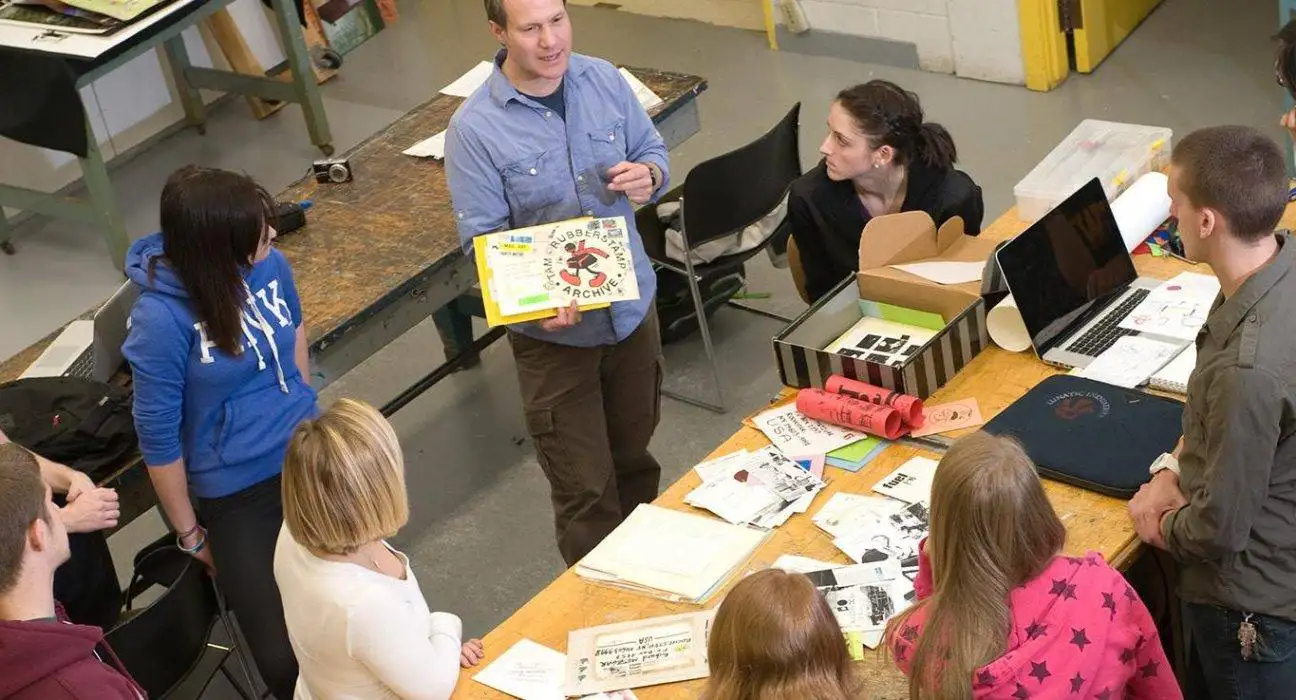
Another major reason emphasizing the importance of art education in 2026 is its core role in building confidence and communication skills. Presenting artwork, performing on stage, or participating in creative discussions helps students overcome fear, express ideas clearly, and accept constructive feedback. These communication skills are vital in leadership, teamwork, and professional growth. Art education empowers students to find their voice and share it confidently with the world.
8. Lifelong Learning and Adaptability
As careers continue to evolve, adaptability has become a survival skill. The importance of art education in 2026 lies in its ability to instill a mindset of lifelong learning. Art encourages curiosity, experimentation, and continuous improvement. Students learn that failure is part of the creative process, helping them become resilient and open to change, qualities essential in a rapidly changing world.
Other than the importance of art education in 2026, you can also explore 10 Creative Hobbies to Make You Smarter
Hence, the importance of art education in 2026 cannot be overstated. It supports creativity, emotional well-being, critical thinking, career readiness, cultural awareness, and adaptability. As education systems prepare students for an uncertain future, art education stands out as a powerful tool for shaping well-rounded, innovative, and emotionally intelligent individuals. Investing in art education is not just about nurturing artists; it is about preparing humanity for a future that values creativity, empathy, and original thinking.
FAQs
1. Why is the importance of art education is greater than before?
The importance of art education in 2026 is greater because automation and AI have increased the demand for creative, human-centered skills that machines cannot easily replicate.
2. How does art education help students in non-art careers?
The importance of art education in 2026 lies in transferable skills such as creativity, problem-solving, communication, and adaptability, which are valuable in all professions.
3. Can art education improve mental health in students?
Yes, the importance of art education in 2026 includes its positive impact on mental well-being by providing emotional expression, stress relief, and improved self-awareness.