

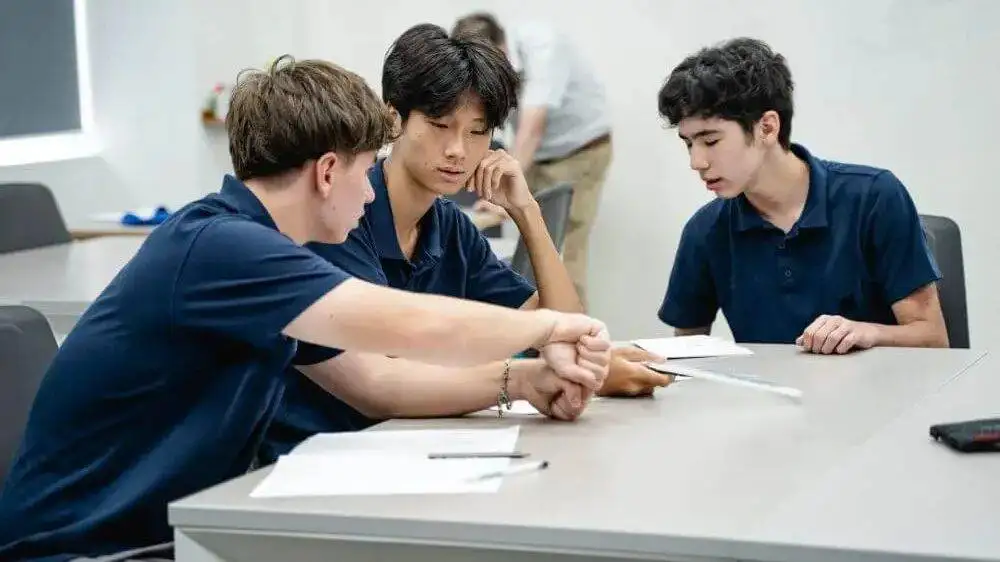
Understanding the importance of social skills in classroom settings is essential for promoting academic success, emotional development, and positive student interactions. Social skills allow students to communicate, collaborate, and build healthy relationships, all of which directly influence the learning environment. In this article, we will explore why these skills matter, how they shape classroom experiences, and why they should be intentionally nurtured in education.
1. Building Positive Peer Relationships
One major aspect of the importance of social skills in classroom environments is the ability to form strong peer connections. Students with well-developed social skills communicate respectfully, show empathy, and engage cooperatively. These interactions help reduce feelings of loneliness, encourage peer support, and create a sense of belonging, which is essential for a healthy learning atmosphere.
2. Enhancing Communication Skills
Another reason educators emphasize the importance of social skills in classroom contexts is to help students communicate effectively. Clear communication whether verbal or non-verbal allows students to express ideas, listen actively, and seek clarification when needed. Strong communication builds confidence and improves participation, ultimately strengthening academic performance.
3. Promoting Effective Collaboration
Group projects and teamwork highlight the importance of social skills in classroom learning. Socially skilled students know how to share responsibilities, negotiate differences, and work harmoniously toward common goals. Collaboration fosters creativity, critical thinking, and mutual respect, making the learning process more dynamic and engaging.
4. Supporting Emotional Development
Understanding emotions is a key part of the importance of social skills in classroom settings. Students who can recognize and manage their emotions are better equipped to handle stress, maintain focus, and navigate challenges. Emotional intelligence also helps them respond appropriately to peers’ feelings, strengthening social bonds and classroom harmony.
5. Reducing Behavioral Conflicts
Teachers often also observe the importance of social skills in classroom behavior management. Students with poor social skills may struggle with conflict resolution, leading to disputes or disruptive behavior. By teaching skills like patience, respect, and problem-solving, teachers can minimize conflicts, allowing for smoother lessons and a more peaceful environment.
6. Creating a Positive Classroom Culture
A supportive learning environment reflects the importance of social skills in classroom culture building. When students greet each other kindly, practice cooperation, and show consideration, the classroom becomes a safe and welcoming space. Such positive environments encourage students to take academic risks, ask questions, and explore new ideas without fear of judgment.
7. Improving Academic Achievement
Research consistently shows that the importance of social skills in classroom achievement is significant. Students who can collaborate, communicate, and manage emotions tend to stay engaged and motivated. These skills directly influence academic outcomes because students become more organized, attentive, and capable of working productively with others.
8. Encouraging Respect and Inclusivity
Respect and inclusivity highlight the importance of social skills in classroom communities. When students learn to appreciate different backgrounds, cultures, and perspectives, they contribute to an inclusive learning environment. Social skills help prevent bullying, discrimination, and social exclusion by promoting kindness and acceptance.
9. Strengthening Teacher–Student Relationships
Teacher–student connections further demonstrate the importance of social skills in classroom dynamics. Students who communicate openly and respectfully with teachers feel more supported and understood. This trust also enhances students’ willingness to participate, seek assistance, and engage in the learning process proactively.
10. Preparing Students for Real-World Experiences
Life beyond school also reflects the importance of social skills in classroom preparation. Social competence is essential in workplaces, communities, and personal relationships. By building these skills early, the classroom becomes a training ground for future success in adulthood, where communication, teamwork, and empathy are highly valued.
11. Helping Students Adapt to Diverse Environments
Modern classrooms are diverse, making the importance of social skills in classroom adaptability crucial. Students must learn to interact with peers from different cultural, linguistic, and socio-economic backgrounds. Strong social skills help students adjust, reducing misunderstandings and fostering global awareness.
12. Boosting Self-Confidence and Leadership
Developing confidence illustrates the importance of social skills in classroom empowerment. Students with strong social skills feel more secure when presenting ideas, participating in discussions, or taking on leadership roles. This self-assurance inspires others and promotes a collaborative learning environment.
13. Encouraging Responsibility and Accountability
Teaching responsibility is also known to highlight the importance of social skills in classroom values. Students learn that their actions affect others, and they become more accountable for behavior, deadlines, and group contributions. Responsibility strengthens character and supports students’ personal and academic growth.
14. Supporting Conflict Resolution and Problem-Solving
Conflict resolution also demonstrates the importance of social skills in classroom harmony. Students learn to negotiate, compromise, and seek peaceful solutions during disagreements. These problem-solving skills are also known to prevent escalation, promote mutual understanding, and maintain a stable learning environment.
15. Enhancing Classroom Engagement
Engagement clearly shows the importance of social skills in classroom motivation. Students who interact confidently with peers and teachers participate more actively in discussions, activities, and collaborative tasks. This increased engagement leads to deeper learning and better long-term retention.
Other than the importance of social skills in classroom, you can also read Benefits of Social-Emotional Learning
Frequently Asked Questions (FAQs)
1. Why are social skills important for students?
Social skills help students communicate, collaborate, and build positive relationships, all of which support academic success and emotional well-being.
2. How can teachers encourage social skill development?
Teachers can incorporate group activities, model respectful communication, teach conflict resolution, and provide opportunities for cooperative learning.
3. What happens if students lack social skills?
Students without strong social skills may struggle with friendships, experience conflicts, feel isolated, or have difficulty participating in academic tasks.