

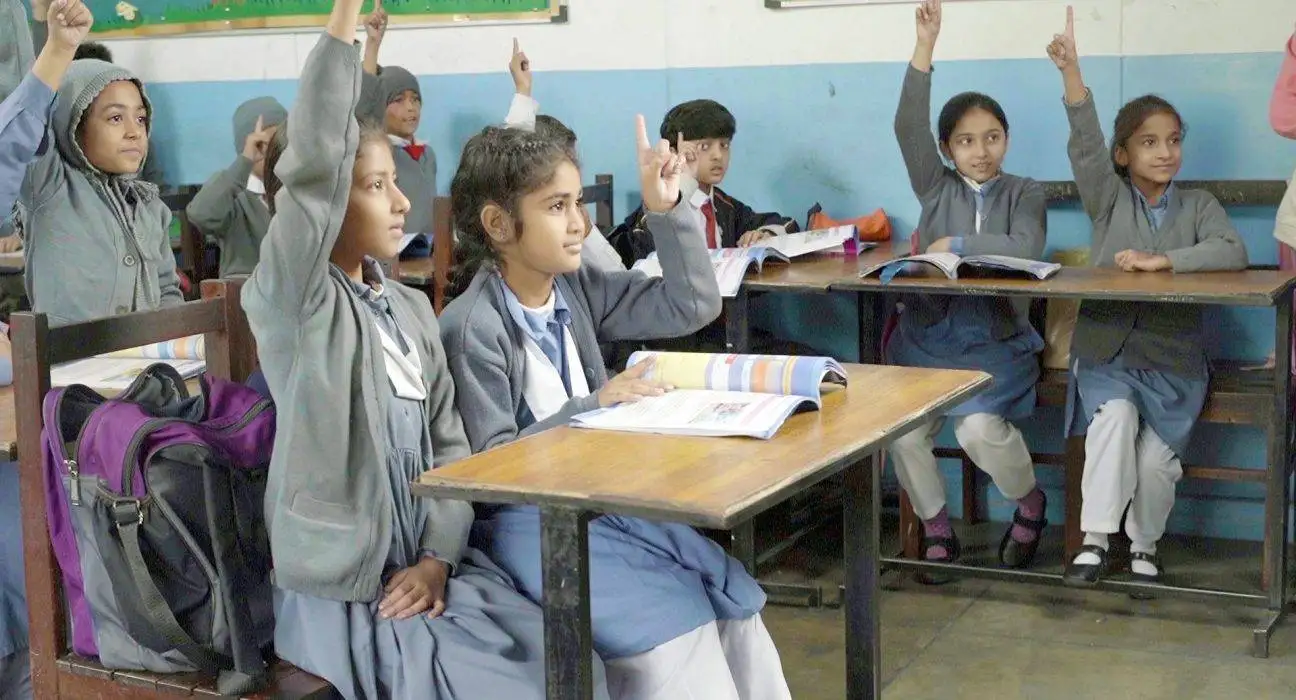
A new report by the Islamabad-based think tank Tabadlab has exposed a severe teacher shortage crippling girls’ education in Pakistan. According to the study, nearly 25% of the country’s primary schools that enroll girls operate with just a single teacher, placing immense strain on education quality.
The crisis is part of a broader national emergency. Pakistan has the world’s second-highest number of out-of-school children, estimated at 22.8 million. While poverty is the primary driver, the situation is worsened by inadequate infrastructure, underqualified teachers, cultural barriers, and natural disasters.
Titled “The Missing Ustaani,” and supported by the Malala Fund and the Pakistan Institute of Education, the report reveals stark numbers. To meet a basic international standard of one teacher per 30 students, Pakistan needs over 115,000 additional teachers for primary schools with girls’ enrollment. The current average Student-Teacher Ratio (STR) is 39:1, with about 60% of these schools deemed overcrowded.
The shortage is most acute in Balochistan, where 52% of such schools have only one teacher, followed by Sindh at 51%. While the STR improves at the middle school level, a critical lack of subject specialists emerges as a new barrier to quality.
Infrastructure failures compound the problem. Approximately 32% of primary schools and 18% of middle schools for girls face “critical infrastructural shortages,” lacking essentials like clean water and toilets, which severely impacts girls’ attendance, especially during adolescence.
To address these systemic challenges, the report urges immediate reforms. Key recommendations include devolving teacher recruitment powers to the school or cluster level for timely hiring, reforming transfer and promotion policies to ensure stability, and upskilling underutilized teachers to fill subject-specialist gaps.
Related: Balochistan Revamps Syllabus for Modern Learning
These reforms, the report argues, are a essential pathway toward a more equitable and effective teaching workforce. The findings come after Prime Minister Shehbaz Sharif declared an ‘education emergency’ in September 2024, underscoring the urgent national priority of education for all.