

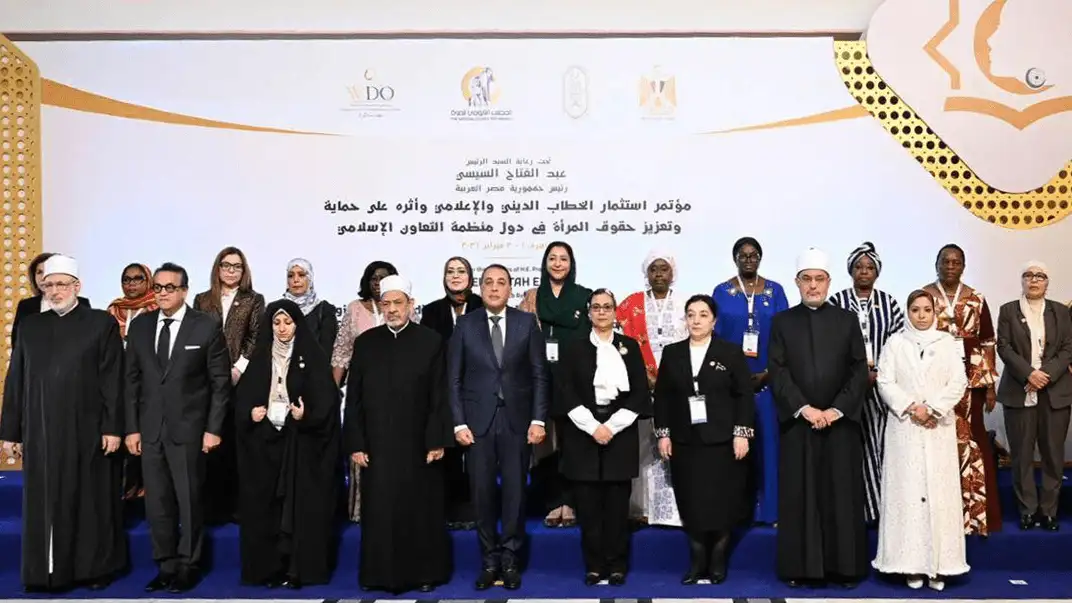
Pakistan and Egypt have agreed to deepen bilateral cooperation in education, with a focus on technical training, teacher development, and the promotion of Arabic language education, marking a significant step toward strengthening long-standing academic ties between the two countries.
The agreement was reached during a meeting between Pakistan’s Minister of State for Federal Education and Professional Training (MoFEPT), Ms Wajiha Qamar, and Egypt’s Minister of Education and Technical Education, Mohamed Abdel Latif. Senior officials from both sides were also present, underscoring the importance attached to the engagement.
Both ministers reaffirmed their commitment to enhancing collaboration by building on each country’s strengths to improve learning outcomes, institutional quality, and workforce readiness. The discussions reflected a shared vision of aligning education systems with modern economic and technological demands.
Ms Qamar briefed the Egyptian delegation on Pakistan’s ongoing education reforms, including efforts to standardize national curricula, strengthen institutional effectiveness, and better align education with labor market needs. She expressed Pakistan’s interest in benefiting from Egypt’s experience in curriculum development, digital learning solutions, and teacher capacity building.
The meeting explored opportunities for cooperation in pre-university education, Technical and Vocational Education and Training, and specialized academic programs. Pakistan highlighted its initiatives aimed at enhancing youth employability through industry-linked technical education and skills development.
Future collaboration is expected to include student and trainer exchange programs, joint teacher training initiatives, the promotion of Arabic language education in Pakistan, and the development of specialized programs in priority technical sectors.
Related: Pakistan-Canada Explore Stronger Ties in Medical Education
Ms Qamar emphasized that strengthened educational ties would play a crucial role in human capital development, youth empowerment, and sustainable growth in both countries. The meeting concluded with a mutual understanding to develop practical frameworks and formal agreements to translate the dialogue into tangible, long-term academic and technical cooperation.