

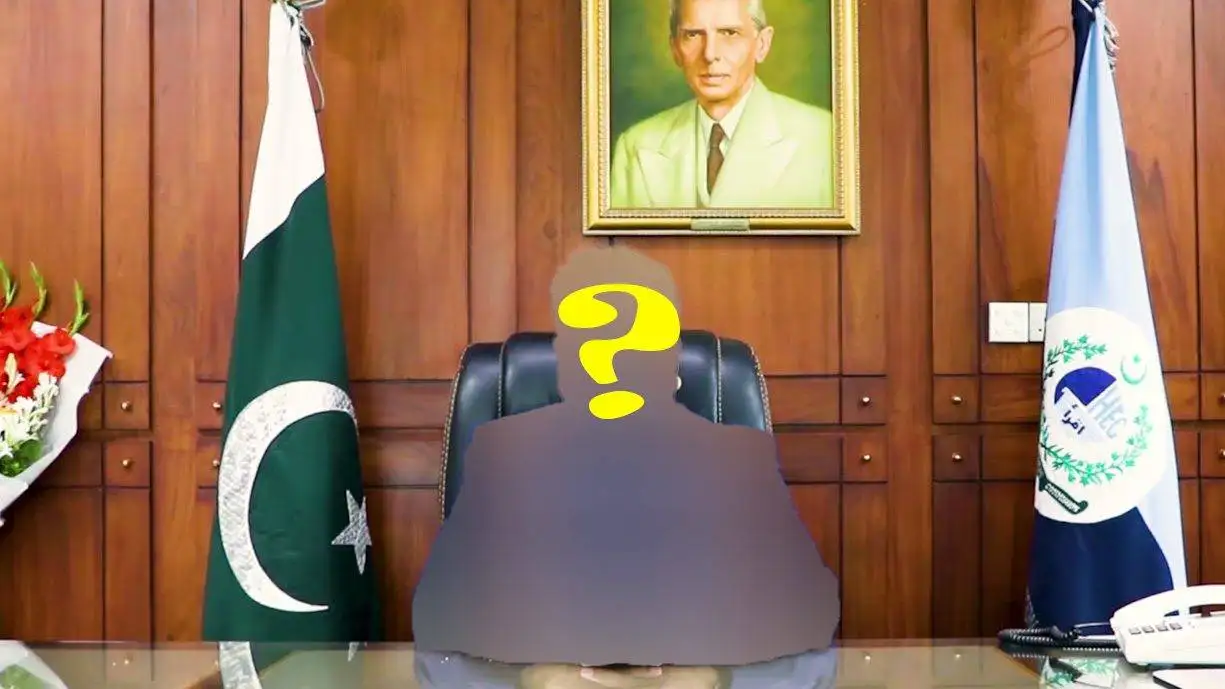
Prime Minister Shehbaz Sharif has rejected the summary forwarded for the appointment of the chairman of the Higher Education Commission (HEC), expressing dissatisfaction with the proposed names, sources said on Thursday.
The summary has been returned to the Ministry of Federal Education (MoFEPT), with indications that the position may now be re-advertised. The decision has further extended uncertainty surrounding the top post at the HEC, which has remained vacant since July 30, 2025, following the completion of former chairman Dr Mukhtar Ahmed’s tenure.
Since then, the commission has been functioning without a permanent head. On the same day Dr Ahmed’s tenure ended, Federal Ministry of Education Secretary Naeem Mehboob was given additional charge as acting chairman. The three-month ad-hoc arrangement was accompanied by assurances that a permanent appointment would be made swiftly, particularly after the prime minister constituted a search committee led by the federal education minister.
However, more than six months later, the appointment process remains unresolved, marking an unusually prolonged delay for a key national institution. Sources said that after the position was advertised, approximately 750 candidates applied. Initial efforts focused on attracting a candidate from abroad, but the incentive package failed to meet international standards, making it unattractive for foreign academics. Consequently, the shortlist was largely drawn from within the local academic leadership.
The names forwarded to the prime minister included Dr Sarosh Hashmat Lodhi, vice chancellor of NED University of Engineering and Technology, Dr Niaz Ahmed Akhtar, vice chancellor of Quaid-e-Azam University, and Dr Muhammad Ali, vice chancellor of the University of the Punjab. Earlier, education ministry sources had indicated that a “Karachi lobby” was actively backing Dr Lodhi’s appointment.
Related: PM Shehbaz Brings Laptop Scheme 2025 to KP
Meanwhile, education experts have voiced concern over the continued leadership vacuum, noting that previous HEC administrations struggled to provide effective policy direction. They have stressed the need for stronger funding mechanisms and long-term policy frameworks to address the growing challenges facing Pakistan’s higher education sector.