

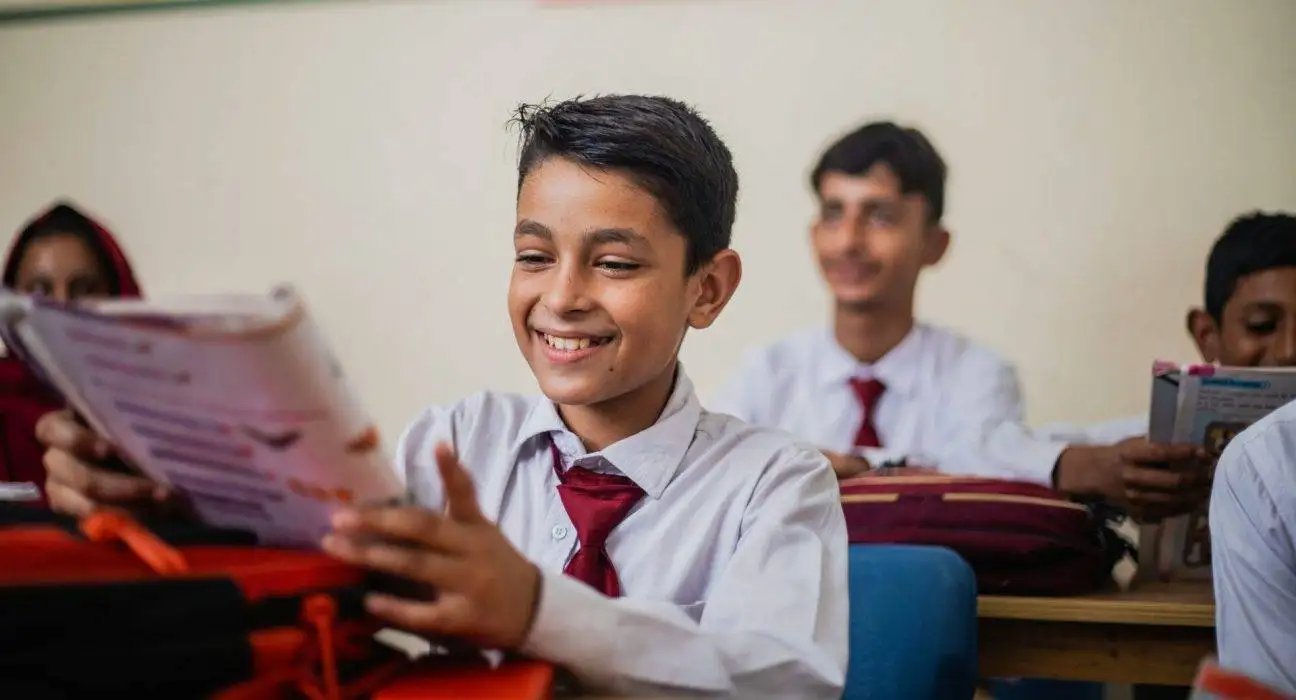
A province-wide assessment of public schools in Punjab has revealed sharp disparities in education quality and infrastructure, highlighting both progress in major cities and persistent neglect in underdeveloped districts.
The comprehensive evaluation was carried out by the Pakistan Bureau of Statistics (PBS) in collaboration with the Free and Fair Election Network (FAFEN). The study examined a wide range of indicators, including student enrollment trends, examination outcomes, and the availability of basic facilities such as electricity and clean drinking water, to measure overall school performance.
According to the findings, Rahim Yar Khan emerged as one of the weakest-performing districts in Punjab, ranking among the bottom three overall. The district also reported one of the lowest literacy rates in the province, alongside Rajanpur and Dera Ghazi Khan, underscoring long-standing challenges in southern Punjab.
In contrast, Lahore showed notable progress, with nearly 80 percent of required education facilities and services in place. This performance placed the provincial capital fifth among all districts, reflecting comparatively stronger investment in school infrastructure and service delivery.
Officials involved in the assessment said the report highlights a pronounced urban-rural divide. While metropolitan areas continue to register improvements in education standards, many rural and less-developed districts remain in urgent need of targeted reforms to address infrastructure gaps, teacher shortages, and learning outcomes.
Related: Punjab Cuts Summer Vacations to Boost Performance
The findings are expected to inform future policy decisions, with education stakeholders calling for data-driven interventions to ensure more equitable access to quality education across Punjab.