

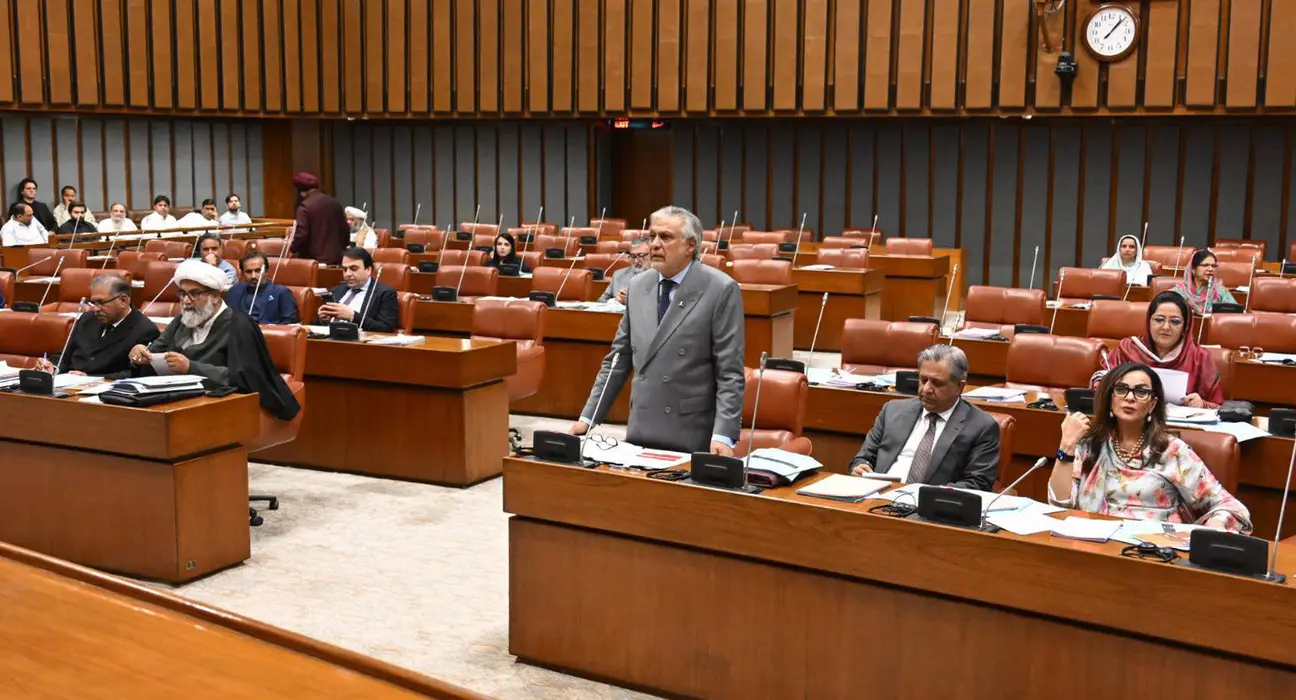
A Senate standing committee has expressed grave concern over the presence of vacant seats in medical colleges across Sindh and Punjab, attributing the anomaly to stringent merit and weightage criteria set by the Pakistan Medical and Dental Council (PMDC).
Chairing the committee meeting, Senator Aamir Waliuddin stated that despite the availability of seats, admissions could not be finalized because a significant number of candidates were unable to meet the high merit thresholds prescribed by the regulatory authority. The situation, he noted, reflects a policy imbalance where institutional capacity exists but remains underutilized due to rigid admission parameters.
The committee also took up the issue of escalating tuition fees in private medical colleges. According to the chairman, a government-appointed special committee had capped the annual tuition fee at Rs 1.8 million. However, reports indicate that several private institutions are charging up to Rs 3 million per year, allegedly in violation of the notified ceiling. The chairman called upon the PMDC to enforce compliance and curb excessive fee collection, warning that unchecked commercialization risks undermining equitable access to medical education.
During the session, senior leader of Pakistan Muslim League (N) Anusha Rahman urged authorities to arrange a supplementary examination for students who narrowly failed the Medical and Dental College Admission Test. She highlighted cases where candidates missed the cut-off by a single mark and consequently lost an entire academic year, describing the outcome as disproportionately punitive.
In response to mounting concerns, the committee chairman proposed lowering the MDCAT passing threshold to 33 percent to address the admission bottleneck. Muttahida Qaumi Movement – Pakistan Senator Mustafa Kamal supported the proposal and recommended that the PMDC conduct a comprehensive review of the current criteria. He further suggested that the council submit a detailed report outlining the rationale behind the existing weightage formula and possible policy adjustments.
Related: Senate Approves Health Education for Secondary Schools
The committee underscored the broader implications of the crisis, noting that more than 22,000 students nationwide fail to secure admission to medical colleges each year. Lawmakers characterized the situation as a systemic challenge that demands urgent legislative scrutiny and regulatory recalibration to balance merit, access, and institutional sustainability.