

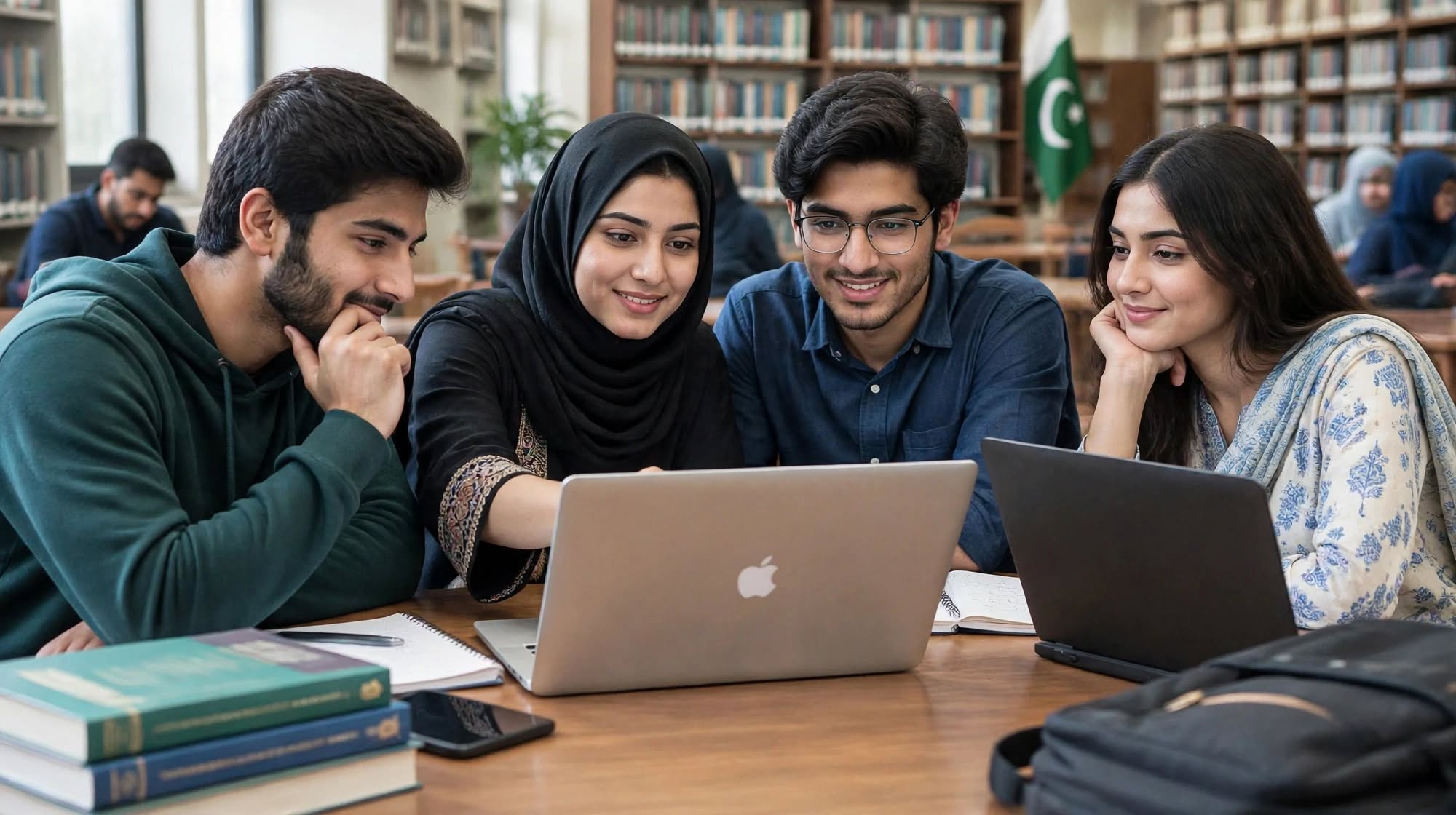
Studying abroad can open doors to internationally recognised qualifications, better career opportunities, and valuable global experiences. However, getting admission to a foreign university is not always as straightforward as students expect. Every year, many Pakistani students miss valuable opportunities because of avoidable mistakes during the application process. From choosing the wrong universities to submitting incomplete documents and overlooking visa requirements, even small errors can affect an otherwise strong application. In this article, we will explore all the details about the common mistakes Pakistani students make when applying abroad.
Understanding the common mistakes Pakistani students make when applying abroad is essential for anyone planning to pursue higher education in another country. Whether applying to universities in the UK, USA, Canada, Australia, Germany, or Europe, students need proper research, careful planning, and attention to detail. Recognising these mistakes early can save time, money, and unnecessary stress while improving the chances of a successful application.
-
Applying Without Proper Research
One of the most frequent mistakes students make is applying to universities without researching their academic programmes, entry requirements, and reputation. Some students select institutions simply because they are popular or because their friends have applied there. However, a university that is suitable for one student may not be the right choice for another. Before applying, students should carefully review course structures, faculty expertise, accreditation, tuition fees, campus facilities, and graduate employment opportunities. Among the common mistakes Pakistani students make when applying abroad, insufficient university research can lead to unsuitable admissions and disappointing academic experiences.
-
Choosing the Wrong Course or Programme
Another major mistake is selecting a degree programme without considering academic backgrounds, interests, or future career goals. For example, a student with an undergraduate degree in business may apply for a specialised technical programme without meeting its prerequisite requirements.
Students should understand the academic expectations of their chosen programmes and determine whether their previous qualifications meet the admission criteria. They should also consider whether the degree will support their long-term professional ambitions. Choosing a course simply because it offers better perceived job opportunities is not always a wise decision. This is yet another important issue among the common mistakes Pakistani students make when applying abroad.
-
Ignoring University Admission Requirements
Every university has its own admission criteria. These may include minimum academic grades, previous qualifications, relevant work experience, recommendation letters, personal statements, and language proficiency tests. Some Pakistani students assume that meeting the minimum academic requirement guarantees admission. However, competitive programmes may have additional selection criteria. Students should read the official admission guidelines carefully and prepare their applications according to the requirements of each institution.
Ignoring specific eligibility conditions can result in rejected applications, making this one of the common mistakes Pakistani students make when applying abroad.
-
Submitting a Weak Personal Statement
A personal statement or statement of purpose (SOP) gives universities an opportunity to understand a student’s academic background, motivations, achievements, and future plans. Unfortunately, many applicants submit generic statements that could belong to almost anyone. A strong personal statement should explain why the student has selected a particular course, what makes them suitable for it, and how the programme connects with their future goals.
Students should avoid copying statements from the internet or relying entirely on AI-generated content. Their applications should reflect their genuine experiences, interests, and ambitions. A poorly written SOP is among the common mistakes Pakistani students make when applying abroad, particularly when applying for competitive scholarships and postgraduate programmes.
-
Overlooking English Language Requirements
Many international universities require students to demonstrate English language proficiency through tests such as IELTS, TOEFL, or other accepted alternatives. Some Pakistani students delay preparing for these examinations until the application deadline approaches. Others assume that studying in an English-medium institution automatically exempts them from language requirements. However, exemptions depend on individual university policies and programme conditions. Students should check which tests are accepted, the minimum overall scores, and any individual band requirements. Planning language examinations early can prevent unnecessary delays and strengthen an application.
-
Missing Application Deadlines
Application deadlines are extremely important, especially for students applying for fully funded scholarships or competitive international programmes. Some students begin researching opportunities too late, while others underestimate the time required to prepare documents, obtain recommendation letters, and complete language examinations. It is important to remember that university admission deadlines and scholarship deadlines may be different. Students should maintain a calendar of important dates and submit applications well before the closing deadline.
Missing deadlines is also one of the most avoidable common mistakes Pakistani students make when applying abroad.
-
Preparing Incomplete or Incorrect Documents
International university applications often require several documents, including academic transcripts, degree certificates, passport details, recommendation letters, CVs, and personal statements. Some students submit incomplete applications or upload documents in incorrect formats. Others overlook translation, attestation, or verification requirements where applicable. Before submission, students should carefully review every document and ensure that all information is accurate and consistent.
Even small discrepancies in names, dates, academic records, or other personal details can create complications during admission or visa processing.
-
Applying for Scholarships Without Understanding Eligibility
Many Pakistani students hope to secure fully funded scholarships, but they sometimes apply without checking the actual eligibility requirements. Scholarships may have specific conditions relating to nationality, academic performance, degree level, research experience, age, or intended field of study. Some funding opportunities also require separate applications, research proposals, or interviews. Students should carefully examine scholarship guidelines instead of assuming that every international funding opportunity is available to Pakistani applicants. Understanding eligibility before applying can save considerable time and effort.
-
Underestimating the Financial Requirements
Studying abroad involves more than paying university tuition fees. Students must also consider accommodation, food, transportation, health insurance, study materials, and other living expenses. Some Pakistani students focus only on tuition fees when estimating their budgets.
They may also overlook currency exchange fluctuations, initial accommodation deposits, and emergency expenses. Before accepting an offer, students should calculate the overall cost of studying in their chosen destination and explore available funding options. Financial planning is particularly important for students who do not have full scholarships.
-
Making Mistakes During the Visa Process
Receiving an admission offer does not automatically guarantee a student visa. Each country has its own immigration procedures, documentation requirements, financial evidence rules, and application timelines. Some students submit incorrect information, provide insufficient financial documentation, or misunderstand visa conditions.
Students should always consult official immigration websites and follow the latest instructions for their destination country. They should also avoid relying on unverified advice from social media groups or unofficial agents. Visa preparation deserves the same attention as university admission because errors can delay or jeopardise international study plans.
-
Relying Entirely on Education Consultants
Education consultants can help students understand university applications and documentation. However, relying entirely on an agent without independently checking information can create problems. Some students allow consultants to select universities, prepare statements, or submit applications without reviewing the details themselves.
Applicants should remain involved throughout the process and ensure that every document submitted in their name is accurate. They should also verify university offers, scholarship information, and payment instructions directly through official channels. Taking responsibility for the application is essential for avoiding unnecessary complications.
-
Leaving Everything Until the Last Minute
Perhaps one of the biggest mistakes is treating the international admission process as something that can be completed in a few days. University applications require careful preparation, research, document collection, and sometimes several rounds of communication. Students should ideally begin planning 8–12 months before their intended intake, although the exact timeline depends on the country, institution, and programme. Starting early gives applicants enough time to improve their profiles, prepare for language tests, explore scholarships, and resolve documentation issues.
Other than Common mistakes Pakistani students make when applying abroad, you can also explore Study Abroad Without IELTS — What Options Exist?
Thus, studying abroad can be a life-changing opportunity, but achieving this goal requires more than simply submitting university applications. Pakistani students need to understand admission requirements, research institutions, prepare strong personal statements, meet language criteria, and plan their finances carefully. The common mistakes Pakistani students make when applying abroad often involve poor research, missed deadlines, incomplete documentation, unrealistic financial planning, and insufficient visa preparation.
Hence, the good news is that most of these mistakes can be avoided through early preparation and informed decision-making. Students should rely on official university and immigration websites, verify information before submitting applications, and take an active role throughout the process.
A successful international education journey begins with a well-prepared application.
Frequently Asked Questions (FAQs)
- What are the most common mistakes Pakistani students make when applying abroad?
The most common mistakes include choosing unsuitable universities, ignoring admission requirements, submitting weak personal statements, missing deadlines, preparing incomplete documents, and overlooking financial and visa requirements.
- When should Pakistani students start preparing to study abroad?
Ideally, students should begin preparing 8–12 months before their intended intake. This allows sufficient time for university research, language examinations, document preparation, scholarship applications, and visa procedures.
- Can Pakistani students apply to international universities without IELTS?
Yes. Some international universities accept alternative English language tests, previous English-medium education, or other forms of English proficiency evidence. However, requirements vary by institution, country, and programme, so students should always check the official admission guidelines.
