
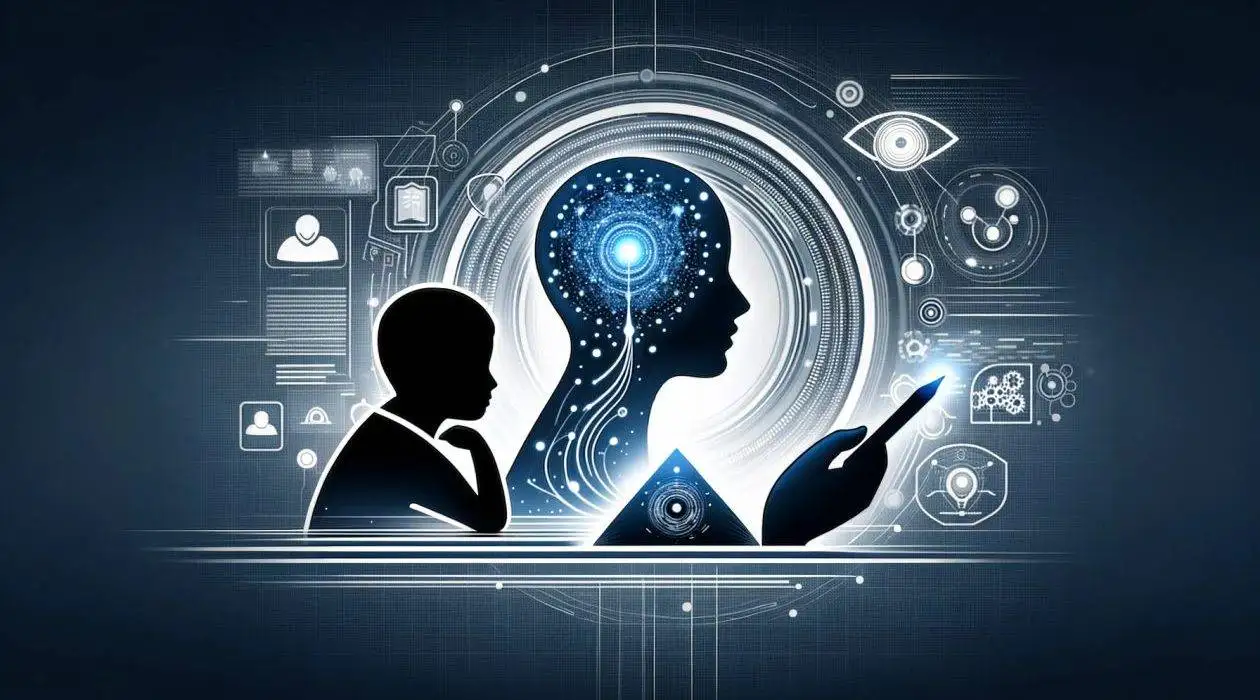
Education has entered a transformative era driven by artificial intelligence. Traditional one-size-fits-all teaching methods are gradually being replaced by adaptive, learner-centric models that prioritize individual needs. At the heart of this shift lies the role of AI in personalised learning, which is reshaping how students learn, teachers teach, and institutions deliver education. By analyzing data, understanding learner behavior, and adapting content in real time, artificial intelligence has become a powerful force in modern education systems. In this article, we will explore all the details about the role of AI in personalised learning.
What is Personalised Learning?
Personalised learning refers to instructional approaches that tailor education to individual learners’ strengths, weaknesses, interests, and pace. Unlike conventional classroom models, personalised learning adapts materials, assessments, and feedback to suit each student. The role of AI in personalised learning is crucial because AI systems can process massive amounts of learner data far beyond human capacity, enabling precise customization. Artificial intelligence tools also use machine learning algorithms, natural language processing, and predictive analytics to understand how a learner interacts with content. This also allows platforms to adjust difficulty levels, recommend resources, and offer support exactly when it is needed.
How AI Powers Personalised Learning Experiences?
One of the most significant aspects of the role of AI in personalised learning is adaptive learning technology. AI-driven platforms continuously monitor student performance and behavior. If a student struggles with a concept, the system automatically provides additional explanations, practice exercises, or alternative learning formats such as videos or quizzes. For example, platforms developed by organizations like Khan Academy use AI-powered recommendations to guide learners through personalized learning paths. Similarly, companies supported by Google leverage AI to enhance digital classrooms and learning analytics.
What is AI-Driven Learning Paths and Content Customization?
Another vital dimension of the role of AI in personalised learning is the creation of individualized learning paths. AI systems analyze prior knowledge, learning speed, and preferences to design customized journeys for each learner. This ensures that advanced students are challenged while others receive additional support.
Content customization also plays a major role. AI can modify lesson formats to match learning styles such as visual, auditory, or kinesthetic. For instance, a learner who understands better through visuals may receive infographics and videos, while another may get text-based explanations or interactive simulations.
What is Real-Time Feedback and Intelligent Assessment?
Assessment is no longer limited to periodic exams. The role of AI in personalised learning extends to real-time feedback and intelligent evaluation. AI-powered assessment tools can instantly analyze answers, identify misconceptions, and provide actionable feedback. This immediate response also improves learning efficiency and motivation. Instead of waiting days for results, students understand their mistakes instantly and can correct them while the concept is still fresh. Teachers also benefit, as AI-generated insights help them identify common learning gaps across a class.
How Does it Support Teachers Through AI?
While AI enhances student learning, the role of AI in personalised learning also supports educators. AI systems automate administrative tasks such as grading, attendance tracking, and performance analysis. This allows teachers to focus more on mentoring, creativity, and emotional support. AI tools can also recommend teaching strategies based on student data. Platforms influenced by research from OpenAI help educators design adaptive content and interactive learning materials. Rather than replacing teachers, AI acts as an intelligent assistant that amplifies their impact.
How Does it Help in Bridging Learning Gaps and Promoting Inclusion?
One of the most powerful contributions of the role of AI in personalised learning is its ability to promote inclusivity. AI-driven tools can support learners with disabilities through speech-to-text, text-to-speech, and adaptive interfaces. Language translation and reading-level adjustments make education more accessible to diverse populations. Additionally, AI can also identify at-risk students early by analyzing engagement patterns and performance trends. Early intervention helps reduce dropout rates and ensures that no learner is left behind.
How Does it Help with Data-Driven Insights and Continuous Improvement?
Data is the foundation of the role of AI in personalised learning. Every interaction such as clicks, responses, time spent on tasks, feeds into AI models that refine the learning experience. These data-driven insights enable continuous improvement of curricula and instructional strategies. Institutions can also use AI analytics to measure learning outcomes, evaluate course effectiveness, and make informed decisions. Over time, this leads to more efficient education systems that evolve based on real learner needs rather than assumptions.
What Are the Challenges and Ethical Considerations?
Despite its benefits, the role of AI in personalised learning comes with challenges. Data privacy, algorithmic bias, and over-reliance on technology are critical concerns. Safeguarding student data and ensuring transparency in AI decision-making are essential to maintaining trust. Moreover, personalised learning should balance technology with human interaction. Emotional intelligence, creativity, and critical thinking still require human guidance. Ethical AI use ensures that technology enhances learning without compromising human values.
What is the Future of AI in Personalised Learning?
The role of AI in personalised learning will continue to expand. Advances in generative AI, virtual tutors, and immersive technologies like augmented and virtual reality will make learning even more interactive and tailored. As AI systems become more sophisticated, they will better understand emotions, motivation, and cognitive patterns, leading to deeply personalized educational experiences. Institutions that embrace this transformation will be better equipped to prepare learners for a rapidly changing world.
Other than the Role of AI in Personalised Learning, you can also read Top 10 Benefits of AI in the Education Field
Thus, the role of AI in personalised learning is redefining education by making it adaptive, inclusive, and data-driven. From customized learning paths and real-time feedback to teacher support and accessibility, AI is revolutionizing how knowledge is delivered and consumed. When implemented ethically and thoughtfully, AI-powered personalised learning has the potential to unlock every learner’s full potential.
FAQs
- What is the role of AI in personalised learning?
The role of AI in personalised learning is to analyze learner data and adapt content, pace, and assessments to individual needs, improving learning outcomes and engagement.
- Can AI replace teachers in personalised learning?
No. The role of AI in personalised learning is to support teachers by automating tasks and providing insights, not to replace human instruction or emotional guidance.
- Is AI-based personalised learning safe for students?
Yes, when implemented responsibly. The role of AI in personalised learning must include strong data privacy measures and ethical guidelines to ensure student safety.