

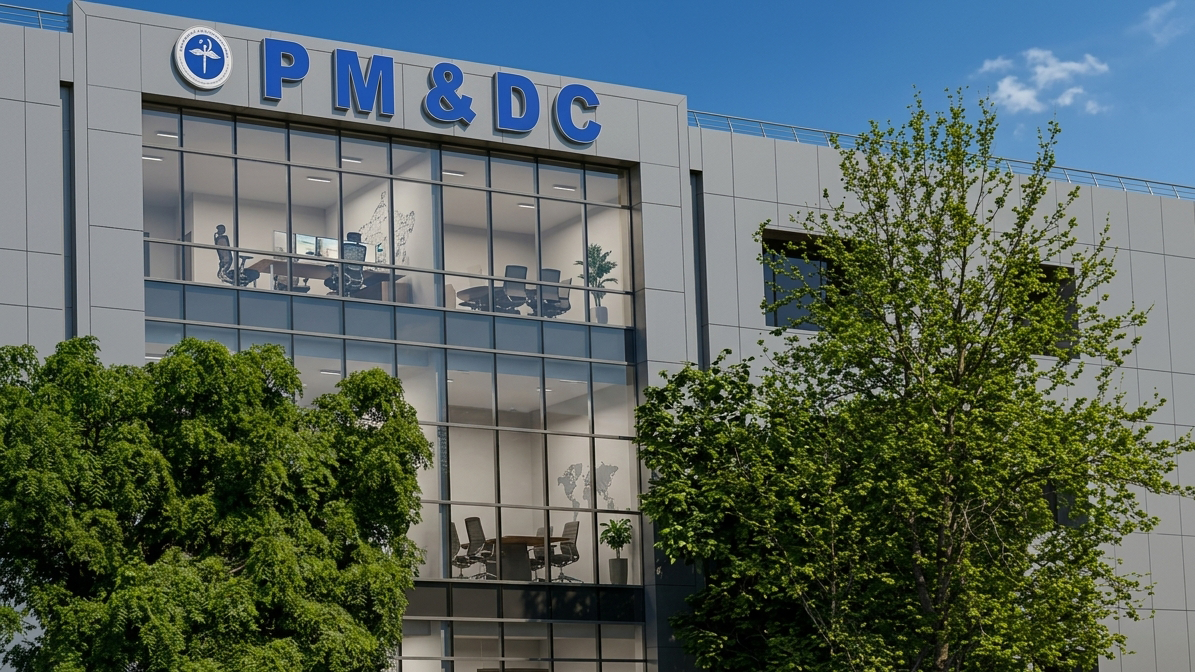
The Pakistan Medical and Dental Council (PMDC) has directed medical and dental colleges across the country to stop admitting, transferring or otherwise facilitating Afghan nationals during the current academic session and has instructed Afghan students already enrolled in Pakistani institutions to return to Afghanistan.
The directive, issued on September 1 and reiterating instructions initially communicated on July 31, was sent to public and private medical and dental institutions amid growing tensions between Pakistan and Afghanistan and an intensified government campaign for the repatriation of Afghan nationals.
In its latest communication, the PMDC said Afghan nationals previously enrolled in medical or dental programmes in Pakistan were required to return to Afghanistan. Institutions were directed to complete all necessary administrative formalities, including issuing no-objection certificates (NOCs) and facilitating the students’ departure.
The council also prohibited institutions from allowing new admissions, placements, transfers, migrations or any other form of facilitation for Afghan nationals during the current academic session until further orders. The PMDC described the matter as a priority linked to national policy directives.
The directive does not specify the total number of Afghan students currently enrolled in Pakistani medical and dental institutions, nor does it clarify whether students close to completing their degrees would receive any exemption.
A health ministry official said an in-principle decision had been taken to send Afghan students studying at Pakistani medical universities back to Afghanistan. According to the official, universities have been asked to provide details of Afghan nationals enrolled in their constituent medical and dental colleges, including the number of students studying in each academic year.
The official said the PMDC already had information about most Afghan medical students, but additional data was being collected to ensure that no students had been overlooked or incorrectly identified as Pakistani nationals or citizens of another country.
A vice chancellor of a Pakistani medical university also confirmed receiving the PMDC instructions and said institutions had begun compiling information about Afghan students enrolled in undergraduate and postgraduate programmes. The official said universities had been directed to provide the data but had not been given detailed reasons for the action.
The development follows reports of Afghan students being asked to leave public-sector medical colleges in Lahore. It also comes amid a broader government campaign to repatriate Afghan nationals residing in Pakistan without valid documentation.
Foreign Office spokesperson Sajjad Haider Khan said that under Pakistan’s Illegal Foreigners’ Repatriation Plan, the stay of any foreign national without a valid passport and visa is illegal and such individuals are liable to deportation. He added, however, that authorities were continuing to process visa-extension applications from Afghan students in accordance with existing rules and regulations.
Pakistan launched its Illegal Foreigners’ Repatriation Plan in 2023, initially focusing on undocumented foreigners, the majority of whom were Afghans. The repatriation campaign was subsequently expanded, with authorities ordering the arrest and deportation of Afghan nationals residing in the country without valid visas.
According to the International Organization for Migration, more than 2.6 million Afghans returned to Afghanistan from Pakistan between September 2023 and July 31, 2026. Pakistani authorities have maintained that the repatriation drive is necessary for national security and immigration enforcement, while the United Nations and rights organizations have expressed concerns about forced returns and the treatment of vulnerable Afghans.
The latest PMDC decision marks a significant extension of restrictions affecting Afghan nationals in Pakistan because it directly concerns students enrolled in professional medical and dental degree programmes. Previously, the government’s repatriation measures had primarily focused on undocumented migrants, refugees and individuals without valid visas.
The decision comes as relations between Islamabad and Kabul have deteriorated sharply. Pakistan has repeatedly accused the Afghan Taliban government of allowing the Tehreek-e-Taliban Pakistan (TTP) and other militant groups to operate from Afghan territory and launch attacks against Pakistan. Kabul has denied allowing its territory to be used for attacks against Pakistan.
The worsening bilateral tensions have resulted in cross-border clashes, border closures and repeated diplomatic disputes, adding a broader security and political dimension to the PMDC’s latest restrictions on Afghan students.
Related: PMDC Begins Work on National CME and CPD Framework
The council has not announced how long the restrictions will remain in place, stating that no new admissions or other facilitation for Afghan nationals will be permitted during the current academic session until further instructions.
