

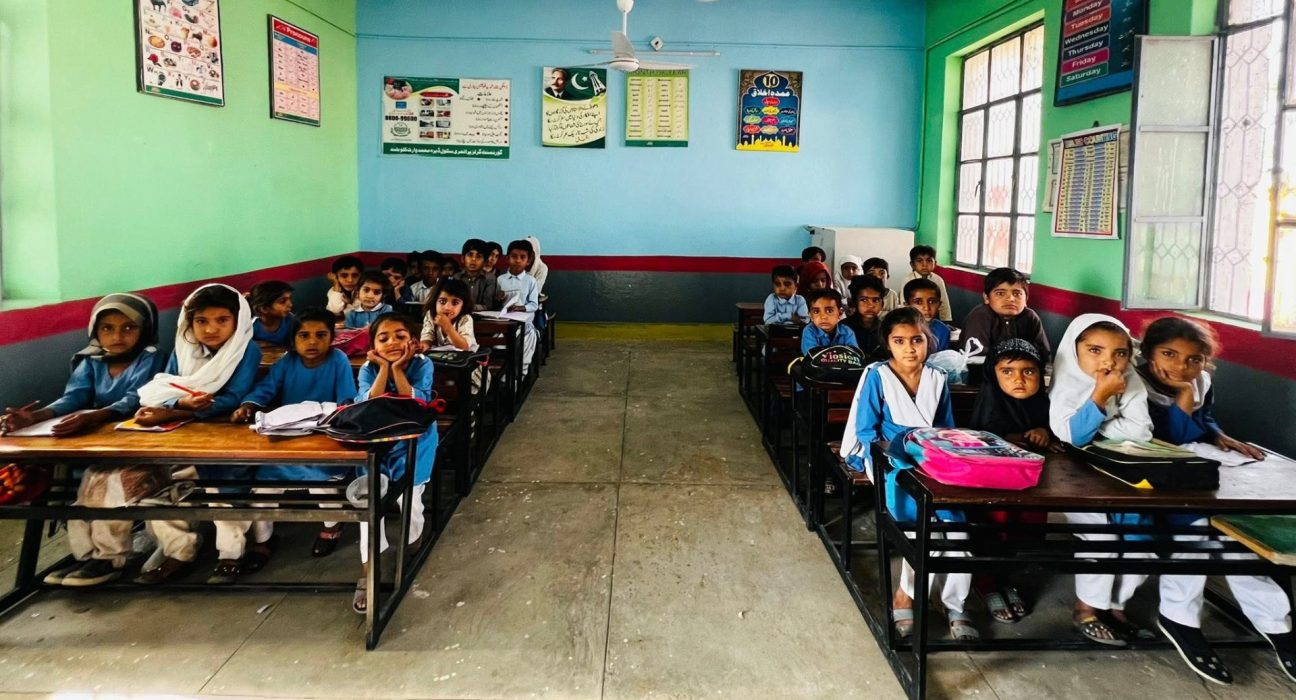
Punjab’s education authorities have unveiled an extensive package of 34 administrative and academic measures aimed at overhauling governance, discipline, and performance standards across government schools for the 2026-27 academic session. The wide-ranging directives, described as one of the most detailed reform efforts in recent years, target classroom management, teacher conduct, school security, enrolment growth, and financial oversight.
One of the most striking decisions is a blanket ban on mobile phone usage by teachers during school hours. Under the new policy, teachers will be required to deposit their phones at the school office at the start of the day, with only the headteacher and junior clerk exempted. Officials say the move responds to persistent concerns from parents and administrators about teacher distraction affecting classroom engagement and learning outcomes.
Security protocols have also been significantly strengthened. Schools are now required to ensure continuous monitoring at entry points, with guards or gatekeepers stationed at gates throughout school hours. Authorities have further mandated that metal detectors must remain operational at all times, signaling a renewed focus on student safety amid broader concerns about institutional preparedness.
The reform package places strong emphasis on boosting enrolment, setting a minimum target of a seven percent increase in student numbers for each school. Teachers have been assigned individual admission targets and instructed to collaborate with local elected representatives and feeder schools. As part of a coordinated campaign, schools will display banners and distribute brochures in surrounding communities to attract new students.
Financial sustainability has emerged as another key priority. Schools have been directed to mobilize community donations to meet operational needs and establish Zakat Banks to support underprivileged students. Donor boards will publicly recognize contributors, while book banks will be introduced to manage surplus textbooks, ensuring wider access to learning materials under the supervision of designated staff.
Academically, School-Based Assessments will continue to be conducted during school hours, followed by centralized marking processes where teachers evaluate papers and upload results. Administrative accountability has also been tightened, with classrooms formally assigned to teachers and documented records of classroom conditions maintained before and after use. Additionally, stricter attendance rules require teachers to remain on station unless officially permitted, with any absence reported immediately to cluster heads.
Related: Punjab tightens school safety and data oversight
While education authorities argue that these measures will bring discipline, transparency, and improved outcomes to the public school system, teacher unions have offered a cautious response. They have welcomed efforts to strengthen institutional order but warned that increasing administrative responsibilities could detract from teachers’ primary focus on delivering quality education in the classroom.
