

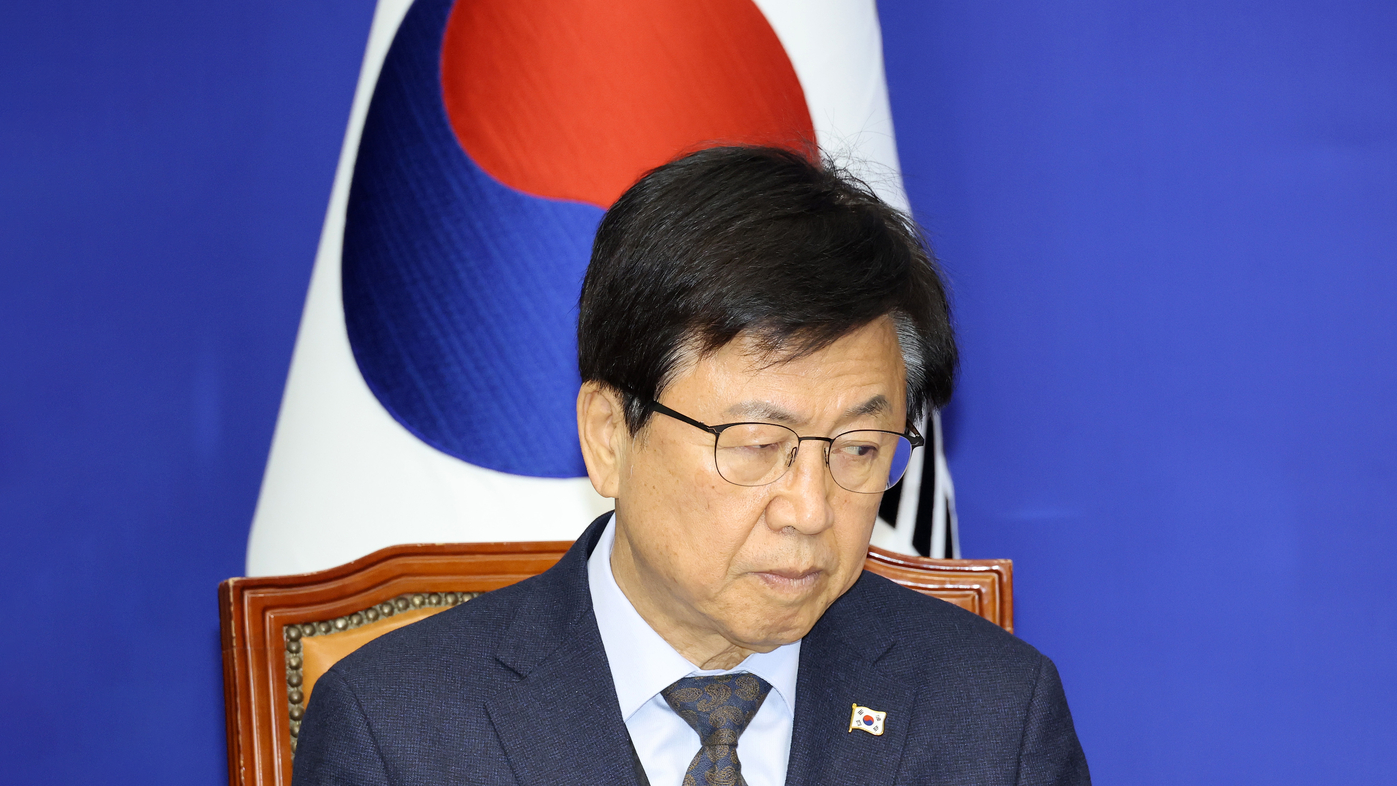
South Korea’s Education Minister (MoE) Choi Kyo-jin has resigned following a major artificial intelligence (AI)-assisted cheating scandal that disrupted preparations for the country’s highly competitive university entrance examinations and raised serious concerns about academic integrity.
President Lee Jae Myung accepted Choi’s resignation on Sunday, November 22, after the minister acknowledged that his education ministry had failed to prepare adequately for emerging technology-based cheating methods.
The controversy erupted just days before South Korea’s annual College Scholastic Ability Test (CSAT), commonly known as Suneung, when the top scorer in a national tax accountant examination admitted to using a miniature camera, smartphone and generative AI to obtain a near-perfect result.
The revelation triggered nationwide concerns about the growing potential for students and examination candidates to exploit artificial intelligence and concealed electronic devices to gain unfair academic advantages.
With the national university entrance examination approaching, authorities rushed to introduce additional security measures. These included banning smartphones and other electronic devices inside examination halls, blocking public Wi-Fi in testing areas and inspecting candidates’ clothing, glasses, watches and other personal belongings for concealed cameras.
Officials also placed stickers over clothing buttons to prevent the use of miniature cameras and introduced emergency mobile phone alerts to identify candidates who had failed to surrender their devices before entering examination rooms.
However, the last-minute security changes created widespread confusion and anxiety among students, teachers and examination staff. Teachers’ unions criticised the government for responding too late, arguing that the measures placed additional pressure on candidates already facing enormous competition for university admissions.
Authorities reported 111 cases of misconduct involving electronic devices during Thursday’s national examination, with nearly half reportedly identified through emergency alerts sent to mobile phones across the country.
Choi faced further criticism after telling lawmakers during a parliamentary hearing that he was not confident he could identify candidates attempting to cheat with advanced technology, citing his age as a reason.
His remarks intensified public criticism of the ministry’s preparedness and handling of the situation.
In his resignation statement, Choi acknowledged that the repeated changes to examination arrangements had inconvenienced students and the wider public. He said he accepted responsibility for the ministry’s failure to anticipate the challenges and offered to step down after the examination concluded.
The incident has reignited debate over how education systems should respond to the rapid development of generative AI, particularly as tools capable of analysing examination questions and producing answers become increasingly accessible.
South Korea’s Suneung is among the most consequential examinations in the country, with university admission often determining students’ future educational opportunities and career prospects. The scandal has therefore raised broader questions about fairness, examination security and the ability of traditional assessment systems to withstand increasingly sophisticated technologies.
Related: 112,000 Korean Student Google Accounts Hacked
The controversy also highlights a growing challenge for education authorities worldwide: protecting academic integrity without creating additional stress and uncertainty for students as artificial intelligence becomes part of everyday learning.
