

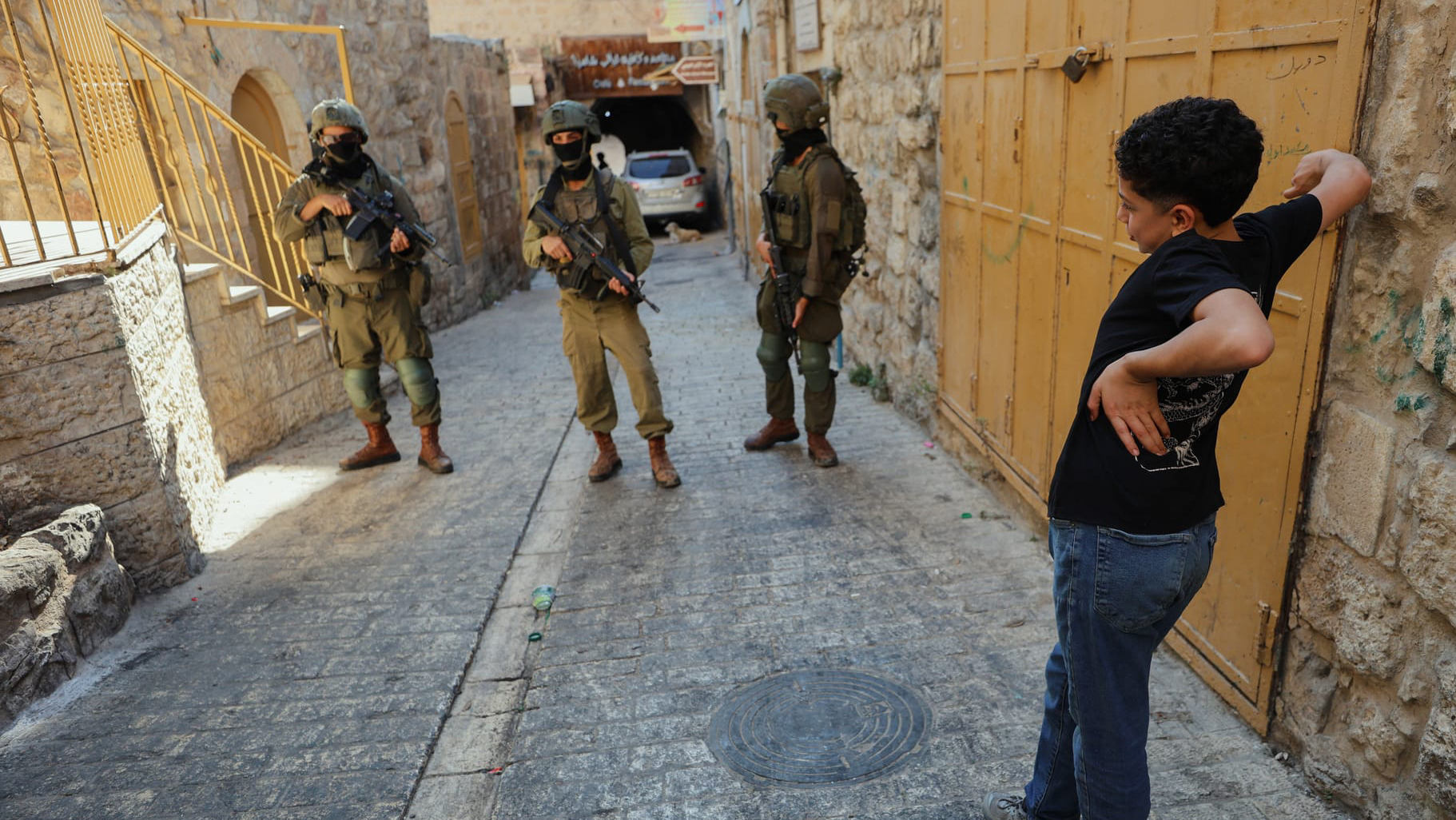
More than twice as many Palestinian students in the West Bank, including East Jerusalem, have had their education disrupted during the first 50 days of the 2026-27 school year compared with the same period last year, according to new data cited by Save the Children.
The Education Cluster, co-led by Save the Children and UNICEF, documented 174 education-related incidents between September 1 and October 20. The incidents affected 140 schools and directly disrupted the education of around 24,500 students, a 121 percent increase from approximately 11,100 students affected during the corresponding period in 2025.
The disruption has also resulted in a sharp rise in lost classroom time. Students lost more than 875 school hours during the reporting period, compared with about 174 hours during the same period last year, representing an increase of more than 400 percent.
The figures come as around 846,000 Palestinian students began the 2026-27 school year across the West Bank, including East Jerusalem. The wider education system is already facing serious access challenges linked to violence, displacement, military operations and movement restrictions.
Children in several communities have faced attacks and obstruction while travelling to school. In late September, settler attacks prevented 10 children in Tubas Governorate from reaching their schools. Three children from one family were temporarily relocated so they could continue studying, while seven others were left without access to in-person education. In Masafer Yatta, a school minibus carrying children was also blocked from reaching the school.
The situation reportedly worsened in October. Students travelling to school in Huwara, south of Nablus, were attacked, while vehicles carrying children in Masafer Yatta were repeatedly obstructed. In one incident, a vehicle carrying students home was stopped for more than two hours. The following day, two school transport vehicles carrying children were attacked with stones and sticks, affecting 24 students from four communities.
The insecurity has also reached school premises. On October 19, settlers attempted to enter Jalud Mixed Elementary School in Nablus Governorate, prompting school staff to evacuate students and send them home for their safety.
Students and teachers are also being affected by Israeli military operations and movement restrictions. In East Jerusalem, students returning from school in Beit Hanina suffered tear-gas exposure in September. In October, students travelling to schools in Al-Mughayyir were detained, while a group of teachers heading to Susiya Elementary School in Masafer Yatta were also detained, according to the report.
Movement restrictions remain a major obstacle to education. WAFA, citing Palestinian and UN data, reported that 942 checkpoints, closure points and physical barriers were operating across the West Bank, covering about 107.7 kilometres. Recent restrictions have included closures and additional checkpoints affecting access to towns and villages across the territory.
UN humanitarian reporting shows that the education crisis predates the start of the current school year. During the first half of 2026, the Education Cluster documented 224 education-related incidents affecting 152 schools, 20,450 students and 859 education personnel. Forty-seven incidents involved settler violence, accounting for 21 percent of all documented education-related incidents, compared with 3 percent during the same period in 2025.
The UN has also reported longer-term consequences in communities affected by recurrent settler attacks and related access restrictions. Since January 2023, 49 Palestinian communities have been fully displaced, while 10 schools serving more than 360 students were abandoned following the displacement of their communities. Seven of those schools were later vandalized and three demolished.
Save the Children Regional Director Ahmad Alhendawi said the latest figures should serve as an alarm, arguing that schools and routes to them must be protected from violence. The organization has called for an end to attacks on children, teachers and educational facilities, removal of barriers restricting access to education, protection of schools threatened with demolition and independent investigations into attacks.
Related: EU Helps Palestine Refugee Children Education in Syria
The latest figures underline how violence and movement restrictions are increasingly turning access to education into a daily challenge for Palestinian children, with thousands facing lost classroom time, disrupted schooling and growing insecurity simply on their way to school.
