

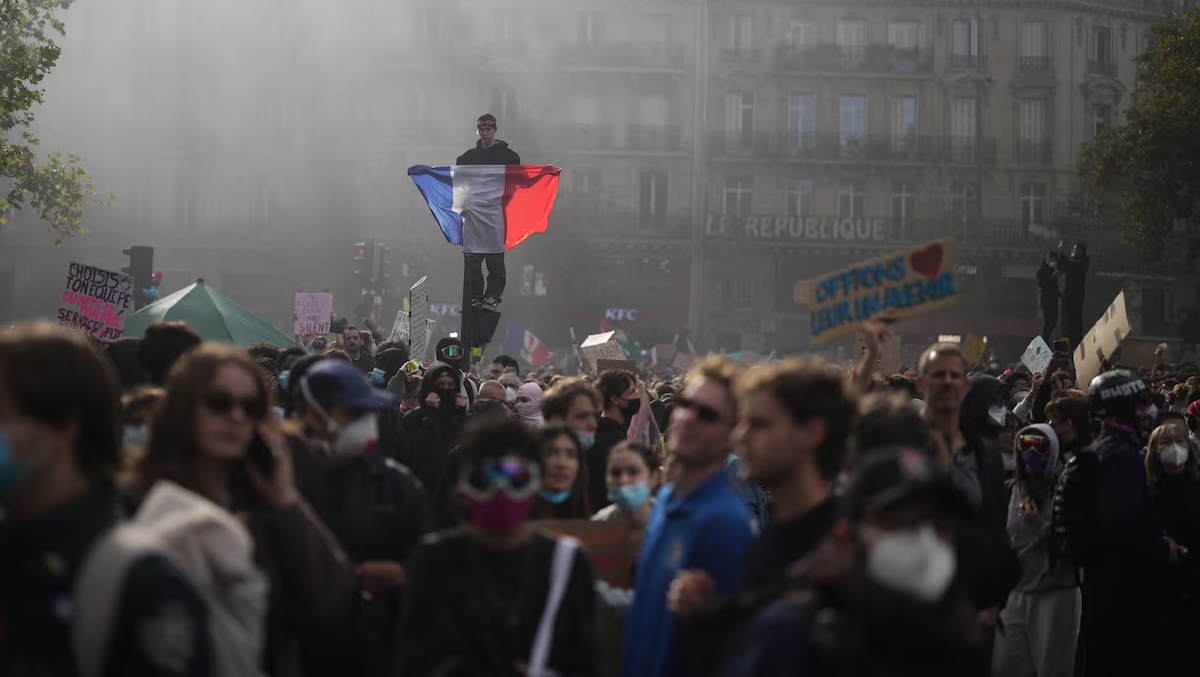
French teachers have rejected the government’s latest education measures as insufficient to end weeks of student protests, warning that the concessions announced by authorities do not address the deeper problems facing schools and universities.
The government unveiled a package of measures on Monday aimed at easing student anger, including smaller classes in some high schools, additional university places, changes to the Parcoursup admissions system, inflation-linked student grants and billions of euros in loans for renovating education facilities. The package is expected to cost about €5 billion.
Sophie Venetitay, secretary general of the SNES-FSU teachers’ union, said the measures represented only the beginning of a response and would not be enough to end the anger among students and educators. Teachers are calling for smaller classes across more schools and additional staff to improve learning conditions.
The protests began in September as high school students raised concerns over teacher shortages, overcrowded classrooms, deteriorating school buildings and inadequate resources. The movement has since expanded to universities and attracted teachers, trade unions, parents and activists involved in the Yellow Vest movement, linking education grievances with broader concerns over public services and the rising cost of living.
Student groups have also criticized the government’s proposals as falling short of their demands. The government has promised 15,000 additional higher-education places and 500 new teaching positions, while changes to Parcoursup are planned for 2027 before the platform is replaced in 2028. Students, however, have demanded a much larger expansion of university capacity and a more fundamental overhaul of admissions.
The scale of the demonstrations has grown significantly in recent weeks. Hundreds of thousands of people have taken part in nationwide mobilisations, while hundreds of schools and universities have faced blockades or disruption. Some demonstrations have also descended into clashes, vandalism and arrests, increasing pressure on the government to restore public order while addressing the education crisis.
Despite the government’s concessions, student representatives have vowed to continue demonstrations, with further nationwide action planned for Saturday and November 5. Authorities are preparing a substantial security operation after previous protests resulted in violence and looting.
The government is also facing severe financial constraints as it attempts to reduce France’s high public debt. Budget Minister David Amiel said the new education measures would be financed through spending cuts elsewhere, limiting the scope for further concessions.
Related: Albania Student Protests Enter Day 14
The continuing unrest has transformed what began as a campaign over school conditions into a broader challenge involving education funding, university access, public services and living costs. With France approaching its 2027 presidential election, the protests are putting additional political pressure on President Emmanuel Macron’s government.
