

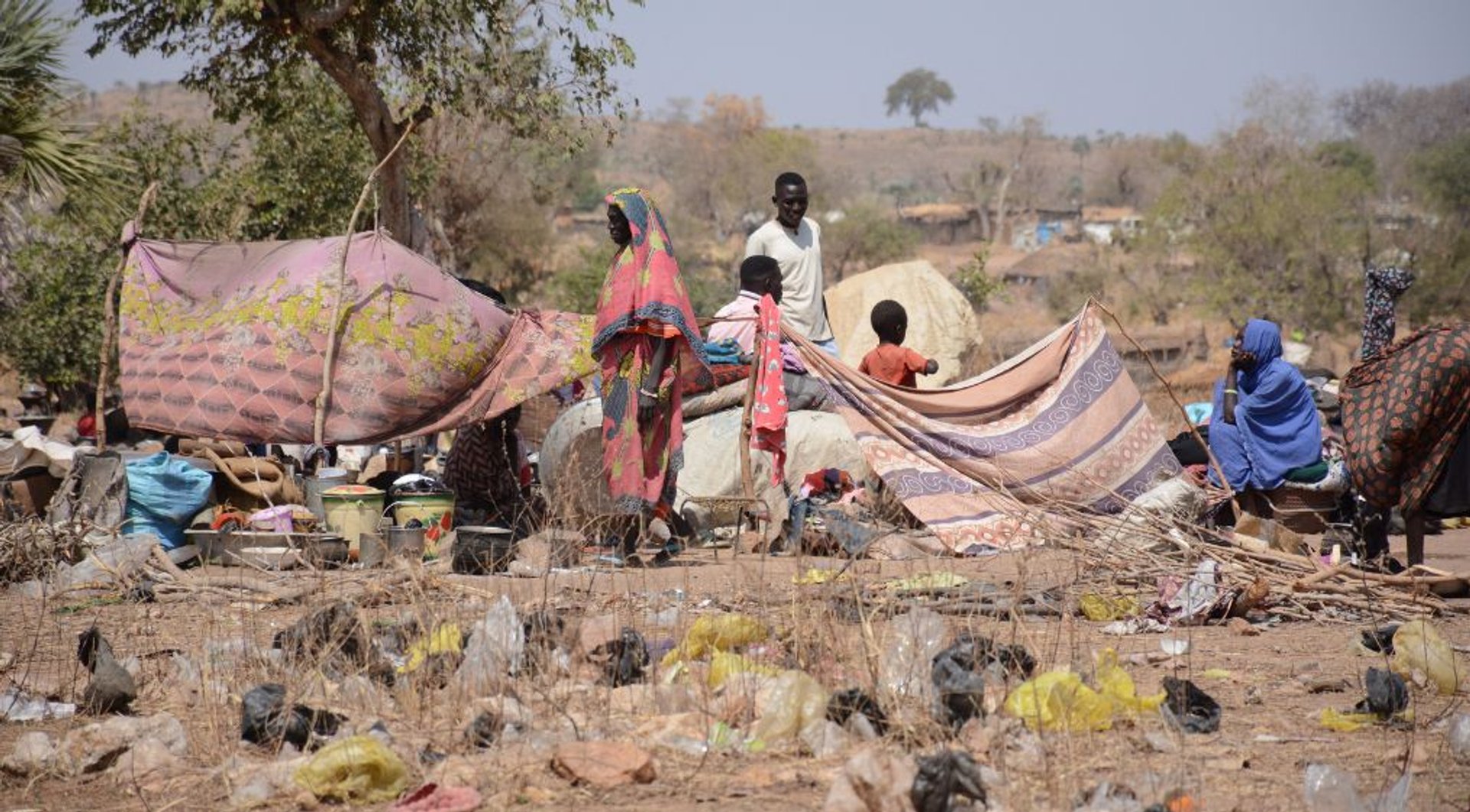
Sudan’s ongoing war is depriving millions of children of education as prolonged school closures, displacement and economic hardship push many into child labour and other dangerous conditions.
About 8 million of Sudan’s estimated 17 million school-age children are currently out of school, according to UNICEF data cited by Al Jazeera. Nearly half of the country’s school buildings are no longer functioning as classrooms, while many schools have been damaged or converted into shelters for displaced families.
The conflict, which began in April 2023 between the Sudanese Armed Forces and the Rapid Support Forces, has displaced millions of people and severely disrupted basic services. UNICEF says around 15 million people, including about 5 million children, had been displaced by mid-2026.
The education crisis is particularly severe in Darfur. Around 80 percent of schools there remain closed, while about 70 percent of children are not attending classes, according to figures reported by Al Jazeera. Save the Children estimates that Sudanese children have missed an average of about 484 days of classroom learning since the war began.
For many displaced families, the loss of schooling is closely linked to the loss of household income. Children are increasingly working in markets and on streets to help their families survive. In Port Sudan, nine-year-old Abkar Mohammed cleans and repairs shoes after classes at a traditional Quran school, while 16-year-old Mahmoud al-Ghali has spent years selling sweets and crisps after being displaced by the conflict.
The prolonged absence from school is also increasing children’s exposure to exploitation, early marriage, sexual violence, trafficking and recruitment by armed groups. Girls face additional risks, including adolescent pregnancy and increased domestic responsibilities that can make returning to education even more difficult.
Repeated displacement has made the situation even harder. Children who flee from one area to another can become separated from teachers and classmates and often arrive without books, school supplies or a safe place to study. UNICEF has warned that the longer children remain outside education, the harder it will be to recover lost learning and prevent long-term inequalities.
The destruction of educational infrastructure has further deepened the crisis. In September 2026, a drone attack on two warehouses in North Kordofan destroyed more than 330,000 school textbooks and other learning materials, according to Al Jazeera.
Despite the scale of the disruption, efforts are underway to restore education. UNICEF, Save the Children and partners launched a programme in May aimed at helping more than 328,000 conflict-affected children return to learning. The initiative is expected to support the reopening of about 850 schools, provide assistance to more than 9,000 teachers and establish nearly 1,800 safe learning spaces.
Related: Education Package Fails to Silence French Students
UNICEF has warned that the education crisis could develop into a generational crisis if children continue to lose access to classrooms. For Sudan’s displaced and impoverished families, restoring education is therefore not only about academic learning but also about protecting children from exploitation and giving them a path toward a more stable future.
