

Education has emerged as a major focus of the United Nations Climate Change Conference COP31, with governments, international organisations and education experts calling for stronger climate education, greener schools and greater opportunities for young people to participate in tackling the climate crisis.
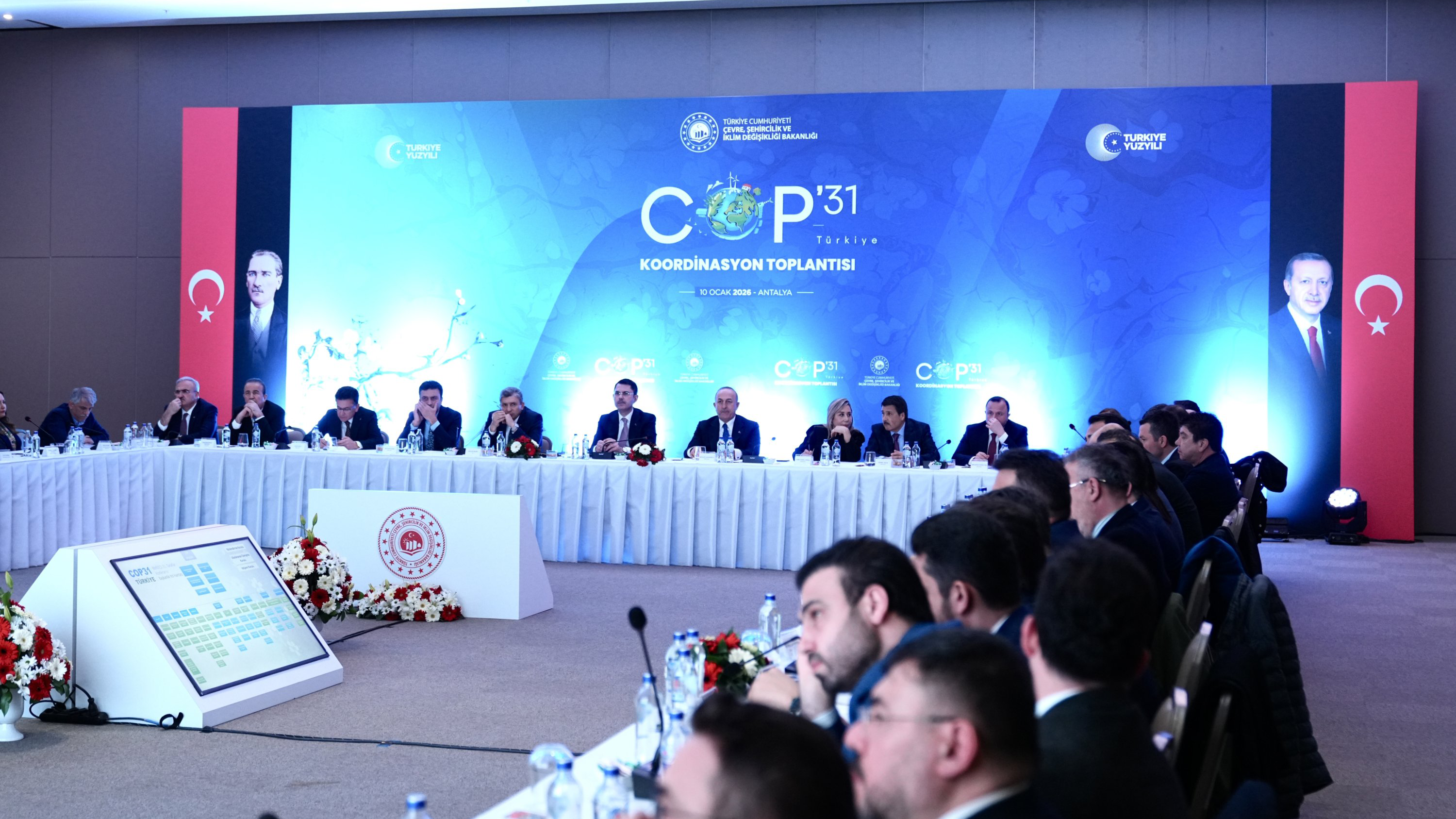
Taking place in Antalya, Türkiye, from November 9 to 20, COP31 is bringing together world leaders, scientists, policymakers, educators, youth representatives and environmental organisations to discuss international responses to climate change. This year’s discussions are highlighting the importance of education in preparing communities for environmental challenges and equipping future generations with the knowledge and skills needed for a sustainable economy.
A major education-focused development at the conference is UNESCO’s effort to strengthen its Greening Education Partnership, which aims to integrate climate change and sustainability into education systems worldwide. The initiative focuses on four key areas: making schools environmentally sustainable, incorporating climate knowledge into curricula, strengthening teacher training and engaging local communities in environmental action.
UNESCO is also advancing the proposed Antalya Protocol for Action, which seeks to strengthen teacher leadership, expand meaningful participation by children and young people, and improve monitoring of countries’ progress in climate education. The initiative aims to move beyond international commitments and encourage practical changes in classrooms, teacher development and national education policies.
The partnership has reached another milestone at COP31, with Türkiye becoming its 100th country member. The Greening Education Partnership now brings together 100 countries and more than 2,000 organisations working to make education systems more responsive to climate change and sustainability challenges.
Türkiye is also using its role as host to showcase how schools can become centres of climate awareness and practical environmental learning. Its Ministry of National Education has established the Türkiye Climate School in the conference’s Green Zone, bringing together students, teachers, academics and international experts.
The initiative offers interactive learning activities, workshops, discussions and demonstrations focusing on renewable energy, waste reduction, environmental protection and sustainable lifestyles. It also provides opportunities for students to present their ideas and projects to international delegates and climate specialists.
Children and young people have also received a dedicated platform at the conference. November 14 was designated Children, Youth, Education and Skills Day, bringing young climate advocates and decision-makers together to discuss climate resilience, education, green skills and youth participation.
During the day, children presented a youth-developed Call to Action on Climate, outlining their priorities and recommendations directly to policymakers. Discussions also explored how investment in green skills, climate education and emerging employment opportunities could help young people participate in the transition towards sustainable economies. UNICEF emphasised that children should not be viewed only as victims of climate change but also as important contributors to climate solutions.
The growing emphasis on education reflects concerns that climate change is increasingly affecting children’s learning environments, school infrastructure and access to education. Extreme heat, floods, droughts and other climate-related disasters can disrupt schooling, damage educational facilities and deepen inequalities, particularly in vulnerable communities.
For education systems, the challenge extends beyond teaching students about environmental problems. Schools and universities are increasingly expected to develop climate literacy, promote scientific understanding, encourage sustainable practices and prepare students for employment in emerging green industries.
COP31’s education agenda is therefore highlighting the need for stronger international cooperation, better-trained teachers, updated curricula and meaningful youth engagement. The conference is also reinforcing the argument that climate commitments must translate into practical educational reforms if future generations are to be equipped to respond to environmental challenges.
Details: Police Clash With Thousands of Students in Brussels
As the conference approaches its conclusion, the focus on education is sending a clear message: climate action cannot depend solely on government policies, technological developments and financial commitments. Building a climate-conscious generation through schools, universities and communities will be equally important to securing a sustainable future.
